Our furry friends deserve the best — and that applies not only to tasty treats and soft beds, but also to coat care products. A pet shampoo is not just about “washing and drying”. Behind the right formulation lies chemistry, dermatology, and a huge love for our four-legged companions. Let’s figure out how to choose or formulate a safe shampoo for your dog or cat.

Why human shampoo is not suitable for dogs and cats
One of the most frequent questions I am asked is: “Can I wash my dog with regular shampoo?” The answer is no, you cannot. And here is why.
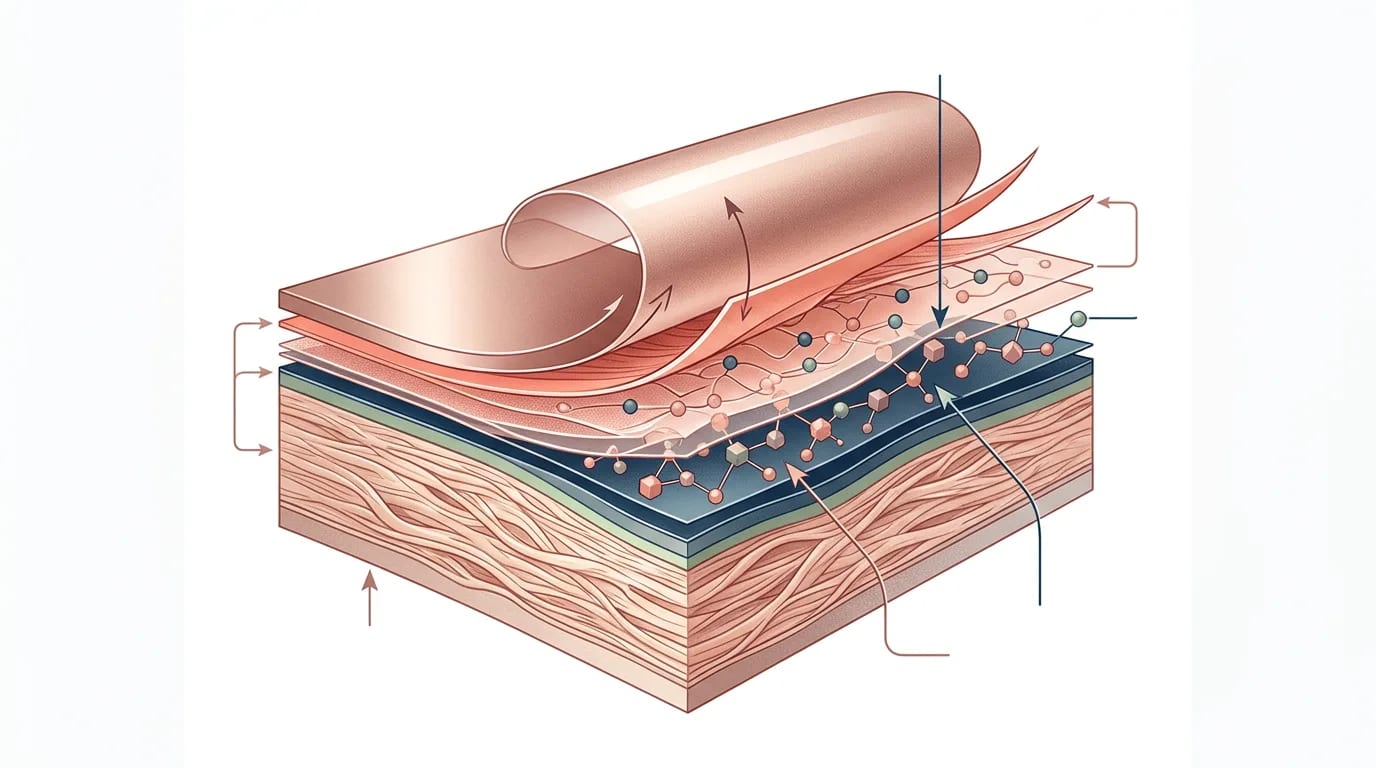
Human skin and animal skin are structured differently. Our epidermis consists of 10–15 layers of cells, while dogs have only 3–5 layers. This means that a pet's skin is significantly thinner and more sensitive. Any aggressive ingredient literally “eats through” their delicate protective barrier.
But most importantly — the difference in skin pH. Human skin is acidic (pH 4.5–5.5), while dogs and cats have skin closer to neutral (pH 6.0–7.4). A shampoo formulated for our pH will be too acidic for a pet, which will lead to dryness, irritation, and the destruction of the skin's natural microflora.
Skin pH | Shampoo pH | |
|---|---|---|
Human | 4.5–5.5 | 5.0–5.5 |
Dog | 6.2–7.4 | 6.5–7.5 |
Cat | 6.0–7.0 | 6.0–7.0 |
Rotate your phone to see the full table
Even baby shampoo (pH ~5.5) is too acidic for dog skin! With regular use, it disrupts the lipid barrier and causes dandruff, itching, and dull coat.
What a good pet shampoo consists of
When I develop a formulation for animals, I am always guided by the principle of “maximum gentleness, maximum safety”. Here are four groups of ingredients to look out for:
Mild surfactants
Cocamidopropyl Betaine, Decyl Glucoside, Sodium Cocoyl Isethionate — gentle surfactants that clean the coat without aggression. No SLS/SLES!
Conditioning agents
D-panthenol (provitamin B5), silk or wheat proteins, hydrolyzed keratin — make the coat soft, shiny, and easy to brush.
Soothing agents
Aloe vera extract, chamomile, colloidal oatmeal — relieve irritation and soothe sensitive skin. Especially important for breeds prone to allergies.
Protective agents
Vitamin E (tocopherol), jojoba oil, shea butter — restore the lipid barrier and protect the skin from drying out. Especially relevant in the cold season.

Mild dog shampoo formulation
I am sharing a basic mild shampoo formulation that is suitable for most breeds. This cream formula has a pH of about 6.5–7.0, which is ideal for dog skin. The formulation is simple to prepare and does not require complex equipment.
Ingredient | % | Function |
|---|---|---|
Distilled water | up to 100 | Base |
Decyl Glucoside | 12 | Primary mild surfactant |
Cocamidopropyl Betaine | 6 | Co-surfactant, boosts foam |
Hydrolyzed silk proteins | 2 | Coat conditioning |
D-Panthenol | 2 | Hydration, healing |
Aloe vera extract | 1 | Soothes the skin |
Chamomile extract | 0.5 | Anti-inflammatory |
Jojoba oil | 0.5 | Lipid barrier repair |
Tocopherol (Vitamin E) | 0.3 | Antioxidant |
Guar gum (Guar Hydroxypropyltrimonium Chloride) | 0.3 | Thickener + conditioner |
Preservative (Cosgard / Euxyl PE 9010) | 0.8 | Product preservation |
Citric acid (10% solution) | q.s. | pH adjustment to 6.5–7.0 |
Rotate your phone to see the full table
Preparation method: dissolve the guar gum in warm water (40–45°C) while stirring. Add the surfactants one by one, stirring gently to avoid excess foam. Incorporate the active additives (panthenol, proteins, extracts, jojoba oil, tocopherol). Adjust the pH with citric acid to 6.5–7.0. Add the preservative last. Done!
Essential oils and pets — be careful! Many essential oils (tea tree, peppermint, citrus, clove, cinnamon) are toxic to cats and can be dangerous for dogs. If you want to scent your shampoo, use only proven safe options: lavender at a minimal concentration (0.1%), or skip the fragrance entirely. Your pet's health is more important than a pleasant smell!
And what about cats? 🐱

Cats are truly unique creatures, and there are nuances to caring for them. Firstly, healthy cats hardly ever need bathing. Their tongue is a natural “brush” with tiny keratin hooks that does a great job of cleaning their fur. You should only bathe a cat if they are heavily soiled, before a show, or if recommended by a vet.
Secondly, cat skin is even more sensitive than dog skin. Cats are particularly vulnerable to toxic substances because they lick their fur — which means anything left on it after a bath will be ingested. Therefore, a cat shampoo must be as simple and safe as possible: no essential oils, no fragrances, no dyes.
If you need a shampoo for your cat, take our basic dog formula and exclude any essential oils and fragrances. You can slightly increase the percentage of aloe vera (up to 2%) for extra hydration. And be sure to rinse the fur thoroughly — there should be no product residue left.
How to bathe your pet properly
The bathing process is just as important as choosing the shampoo. Here are my proven tips from Oksana Walker to make the procedure comfortable for both you and your pet:
Brush the fur before bathing. Mats and tangled fur only tighten when wet. Spend 5–10 minutes brushing — it will save you nerves and time.
Use warm water (37–38°C). Not hot and not cold. Check the temperature on the inside of your wrist — just like for a baby's bath.
Wet the fur completely first. Many breeds have water-repellent undercoats — take the time to ensure the water reaches the skin. Only then apply the shampoo.
Dilute the shampoo with water 1:3. This will help distribute the product evenly through the fur and make rinsing easier. Apply with massaging motions from the neck to the tail.
Avoid the eye and ear areas. You can place cotton balls in the ears to prevent water from getting in. It is better to wipe the muzzle separately with a damp cloth.
Rinse for longer than you think is necessary. Shampoo residue on the skin is one of the main causes of irritation. Rule of thumb: when you think the coat is clean, rinse for another minute.
Dry correctly. Pat the coat with a towel (do not rub!). Use a hairdryer on the lowest temperature setting and from a distance of at least 30 cm. Many dogs are afraid of hairdryers — introduce it gradually, using treats.

Advice from Oksana Walker: Bathe your dog no more than once every 2–4 weeks (unless there are medical indications). Bathing too often strips the skin of its natural lipid layer, causing the body to produce even more sebum, which makes the coat get dirty faster. Between baths, use a dry shampoo or simply wipe the paws and belly with a damp towel after a walk.
Read also: Preservation in cosmetics • Essential oils in cleaning products

Oksana Walker
Cosmetic chemist, founder of the Walker Formulation Academy
IFSCC • SCS • IAA • IAC