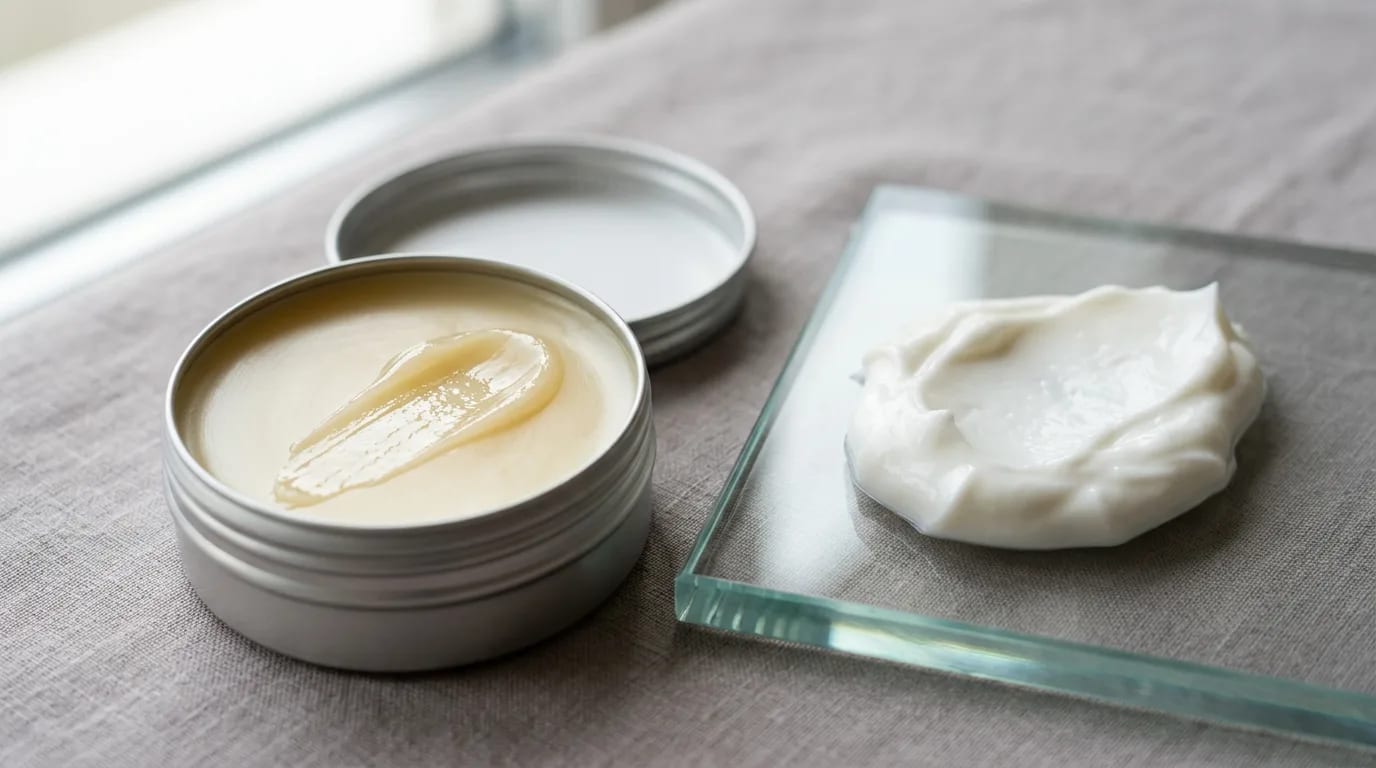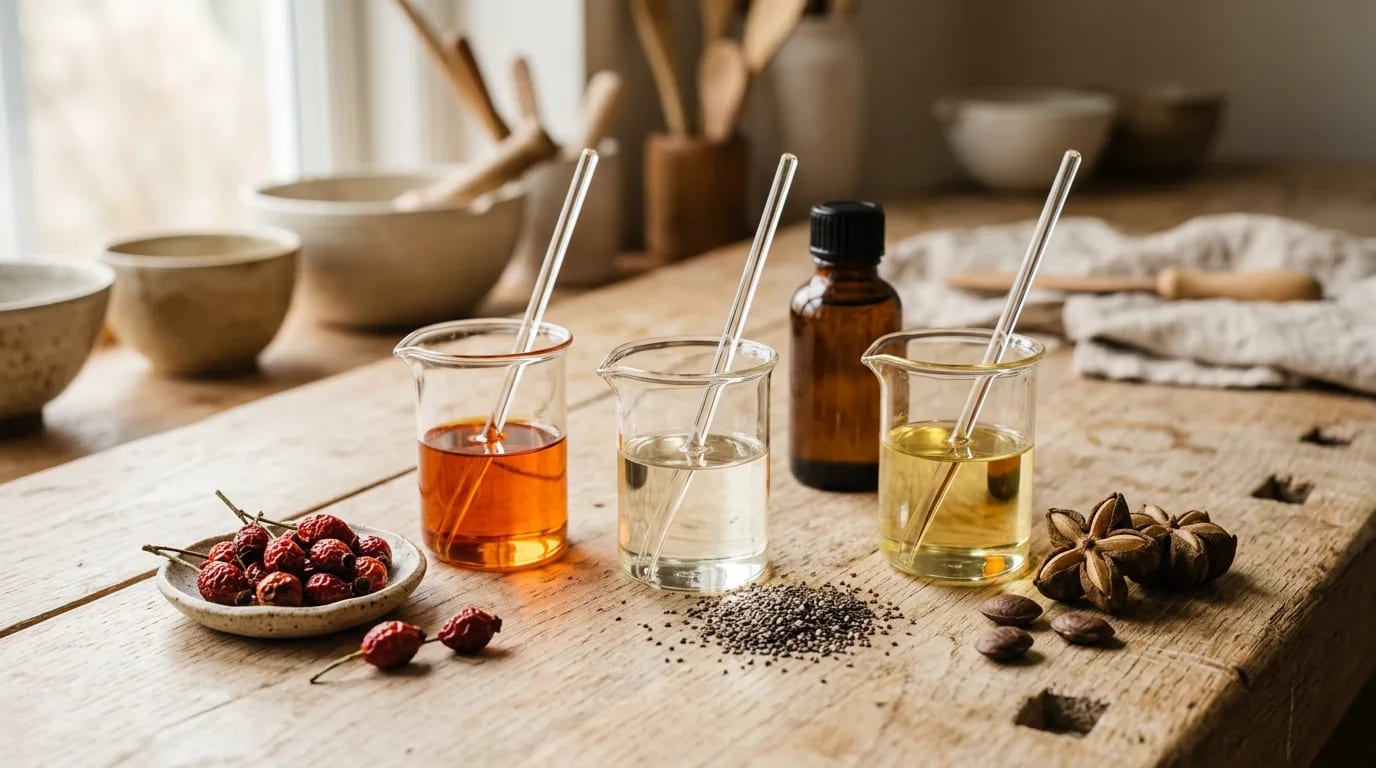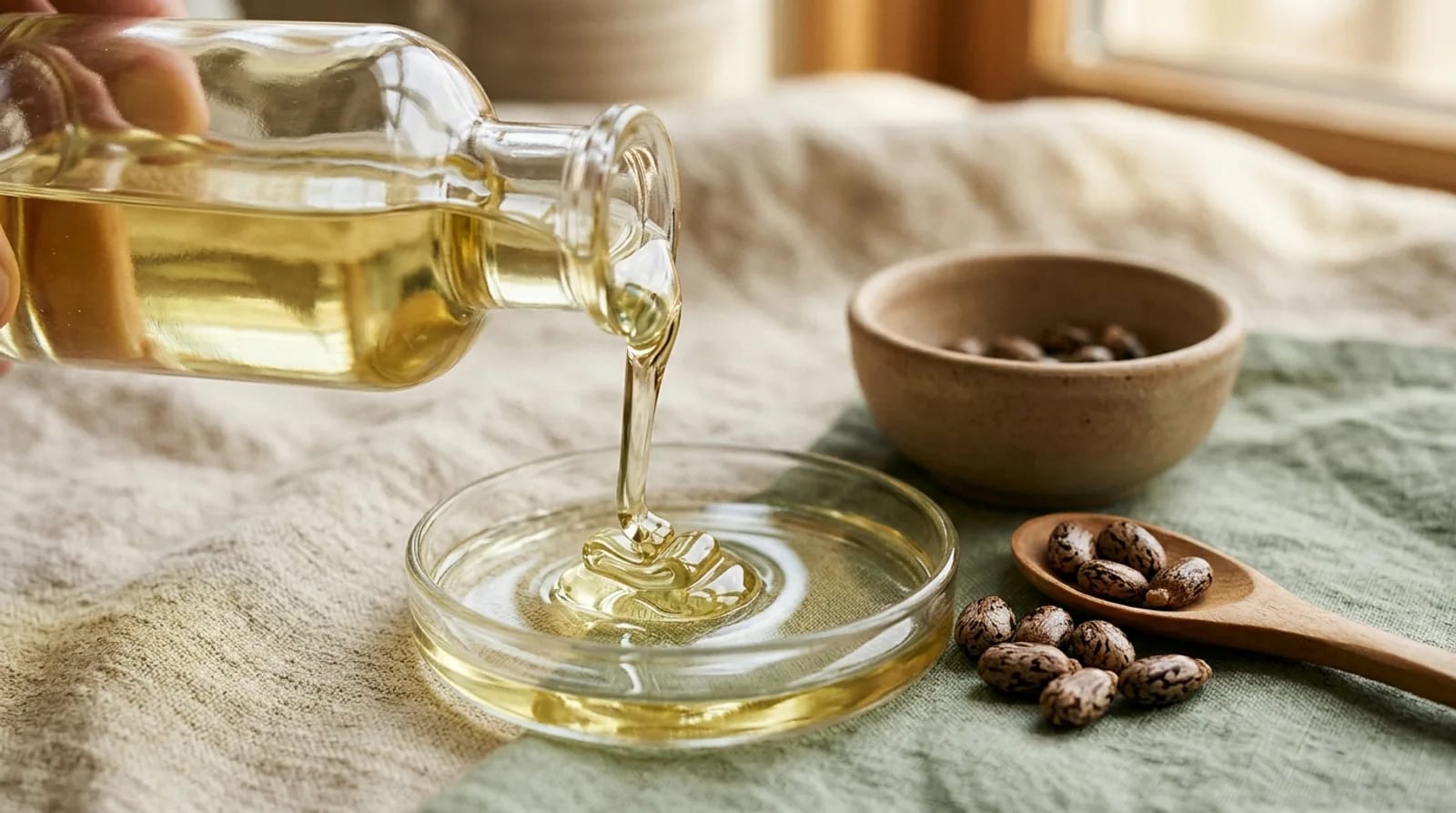
Many times, I saw people wondering why would they make the same product using the same oils and butters but getting different result at the end. I thought I try to answer why could it happen. At least one of the reasons.
So, why your shea butter acts differently some time you buy a new bag?
Especially when you use the same supplier, same INCI name but completely different behaviour! It’s not you — it’s actually the weather where the plant grew.
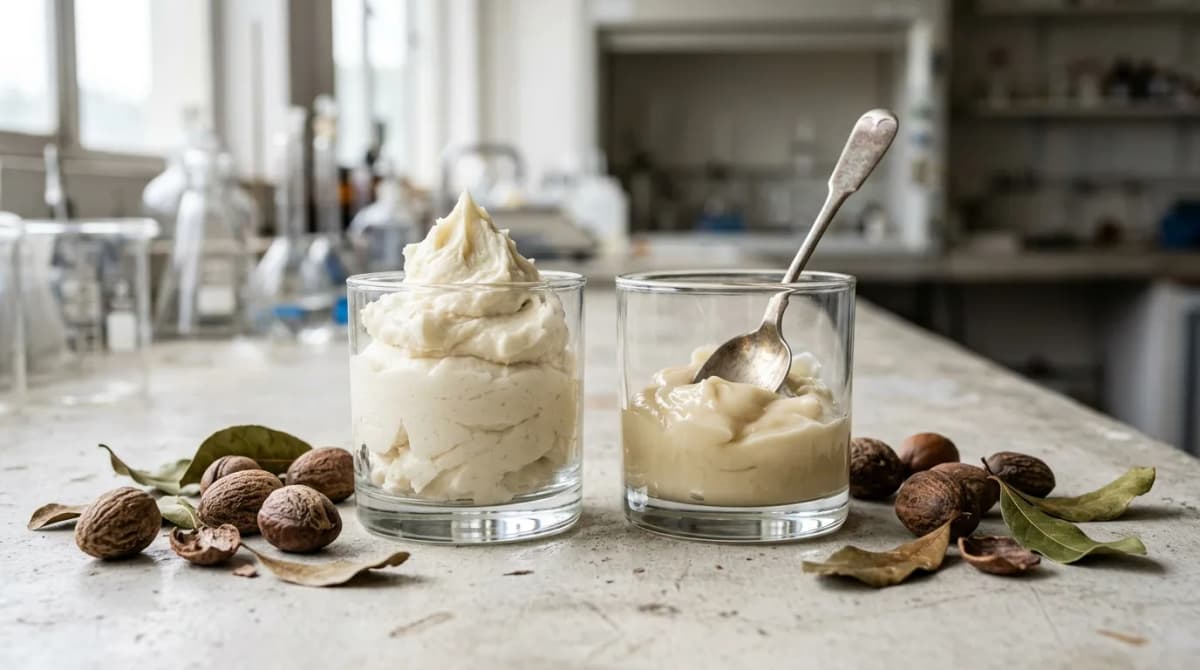
Plants adjust their oil to survive their own climate. In cool weather, a plant makes oil that stays soft and runny, so its cells don’t stiffen up in the cold. In hot, dry weather it makes oil that’s tougher and firmer. The nature is very clever. Cool growing season - more fragile, more liquid fatty acids (linoleic, linolenic). Hot, dry growing season - more of the sturdy ones (oleic, stearic).
Same seed, same variety, different summer, different oil. Nobody is cheating you — the plant just did what the weather told it to.
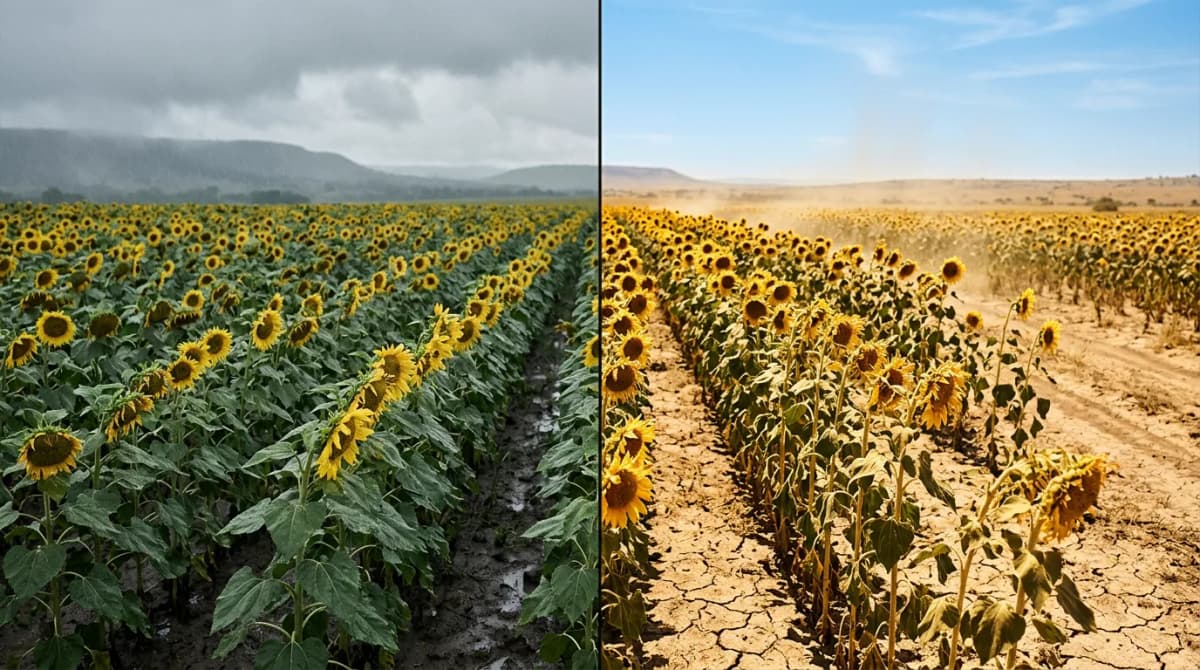
Some examples of how our familiar oils behave:
- Sunflower oil — a cool summer gives much more linoleic acid than a hot one. More linoleic, the oil goes rancid faster.
- Olive oil — cool, high-altitude groves give a lighter, less stable oil. Hot lowland groves give a heavier, longer-lasting one.
- Cocoa butter — Brazilian is noticeably softer than Malaysian. Same reason.
- Drought counts as heat. A dry year pushes the oil the same direction a hot year does.
And now shea — because most of you are whipping it and complain about it too
Shea is basically a tug-of-war between two fatty acids:
- Stearic acid — the hard one. Firm, waxy, holds its shape.
- Oleic acid — the soft one. Creamy, melty, greasy if there’s too much.
Whichever one wins decides how your whip turns out.
Interesting comparison West African vs Ugandan shea
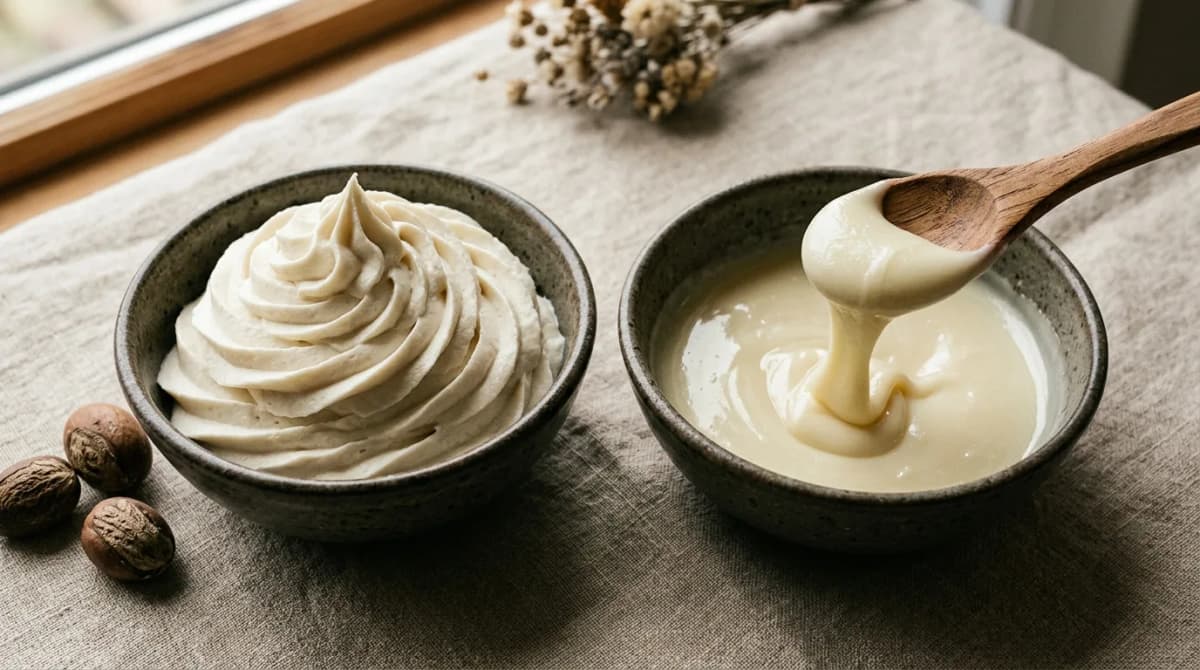
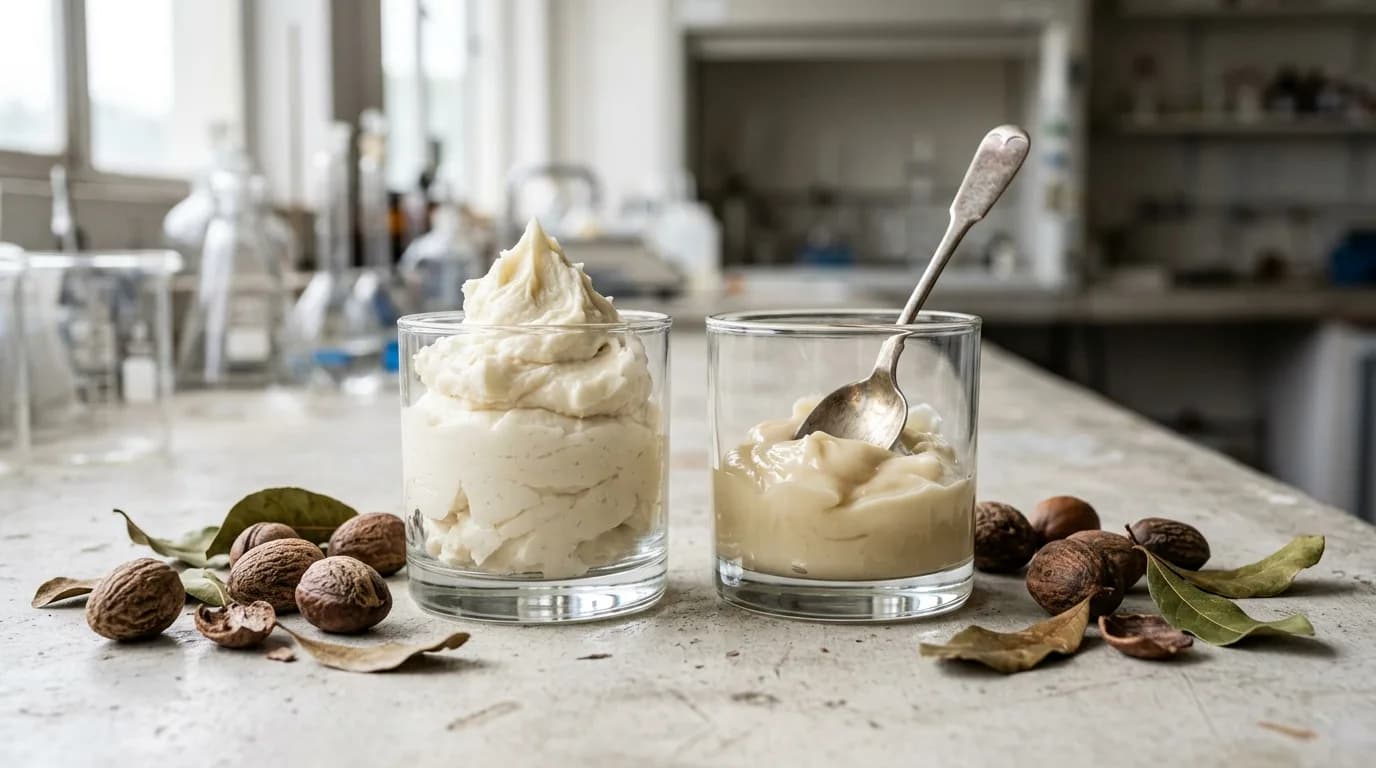
West African shea (Ghana, Burkina Faso, Mali, Nigeria) grows in a hot, dry savannah. It’s higher in stearic acid — firmer, more solid, holds air well. This is the one that whips into a proper fluffy mousse and stays that way.
Ugandan / East African “Nilotica” shea is a different subspecies growing in a wetter climate. It’s much higher in oleic acid — soft enough to scoop with a spoon straight from the jar, gorgeous on skin, melts almost instantly.
But it is a nightmare to whip. If your whipped butter collapsed into a greasy paste, or slumped in the jar after two days, or wept oil on a warm shelf — check which shea you bought. Nilotica isn’t defective. It’s just too soft to hold air.
If you’re stuck with a soft batch: use less liquid oil in the recipe, or add a little cocoa butter, stearic acid, or cetyl alcohol to give it backbone. And whip it in a cool room — a 28 °C kitchen will beat you no matter what you do.
The grainy problem — and the actual fix, reminder
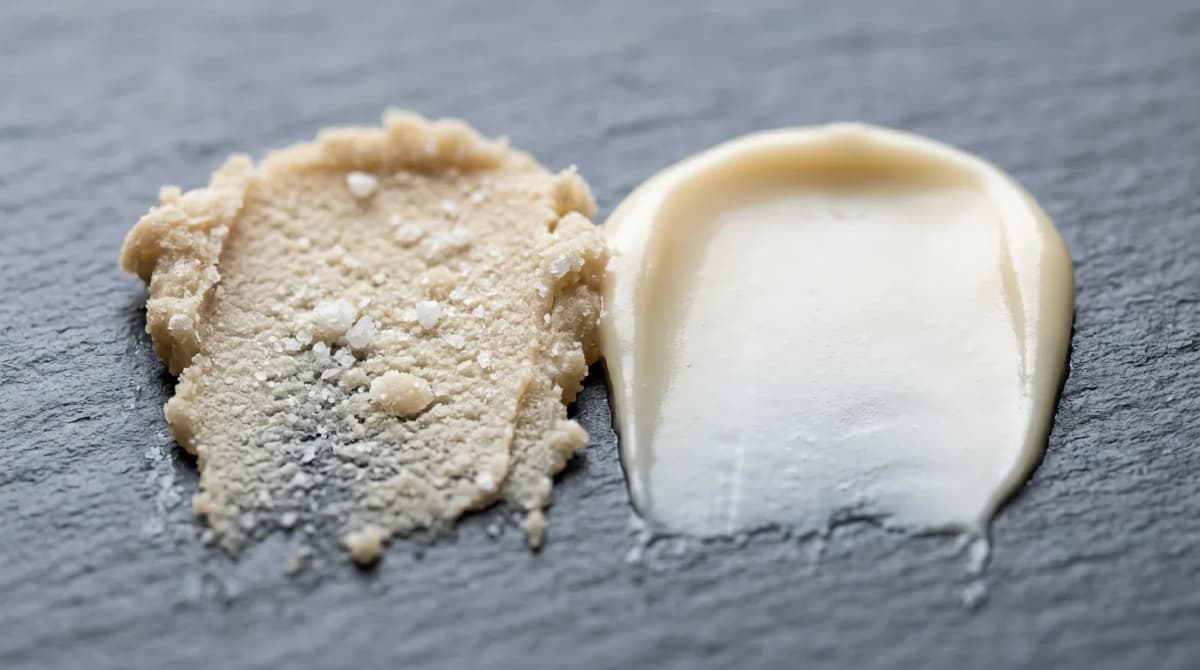
Those sandy little bits are shea’s stearic-rich fats re-crystallising into big, hard crystals. It happens when the butter cools slowly, because the hard fats set first and clump together separately from the soft ones.
Here’s what works:
- Melt it properly hot — 70–80 °C (160–175 °F), and hold it there 15–20 minutes. Melting it just until it’s liquid (around 40 °C) is the single most common mistake. That doesn’t erase the old crystals, it just softens them, and they grow straight back.
- Then cool it fast. Freezer or ice bath, not the counter. Fast cooling makes tiny crystals instead of big gritty ones.
- Chill to a thick, opaque, pudding-like stage before you whip — not soupy, not solid.
- Chill again right after whipping to lock the texture in.
And know this: heat undoes it. A jar that sits in a hot car or a summer post office can go grainy again even if you did everything right. That’s not a formulation failure, it’s storage.
How long does whipped butter last? What about its shelf life
Whipping beats air into the butter. More air means more oxygen touching more surface — so whipped butter goes rancid faster than the same butter in a solid block. Two things to do:
- Add vitamin E (tocopherol) at around 0.2–0.5%.
- Tell people not to dig in with wet fingers. There’s no preservative in there, and water plus a warm bathroom means mould.