Articles in the "Formulations" category
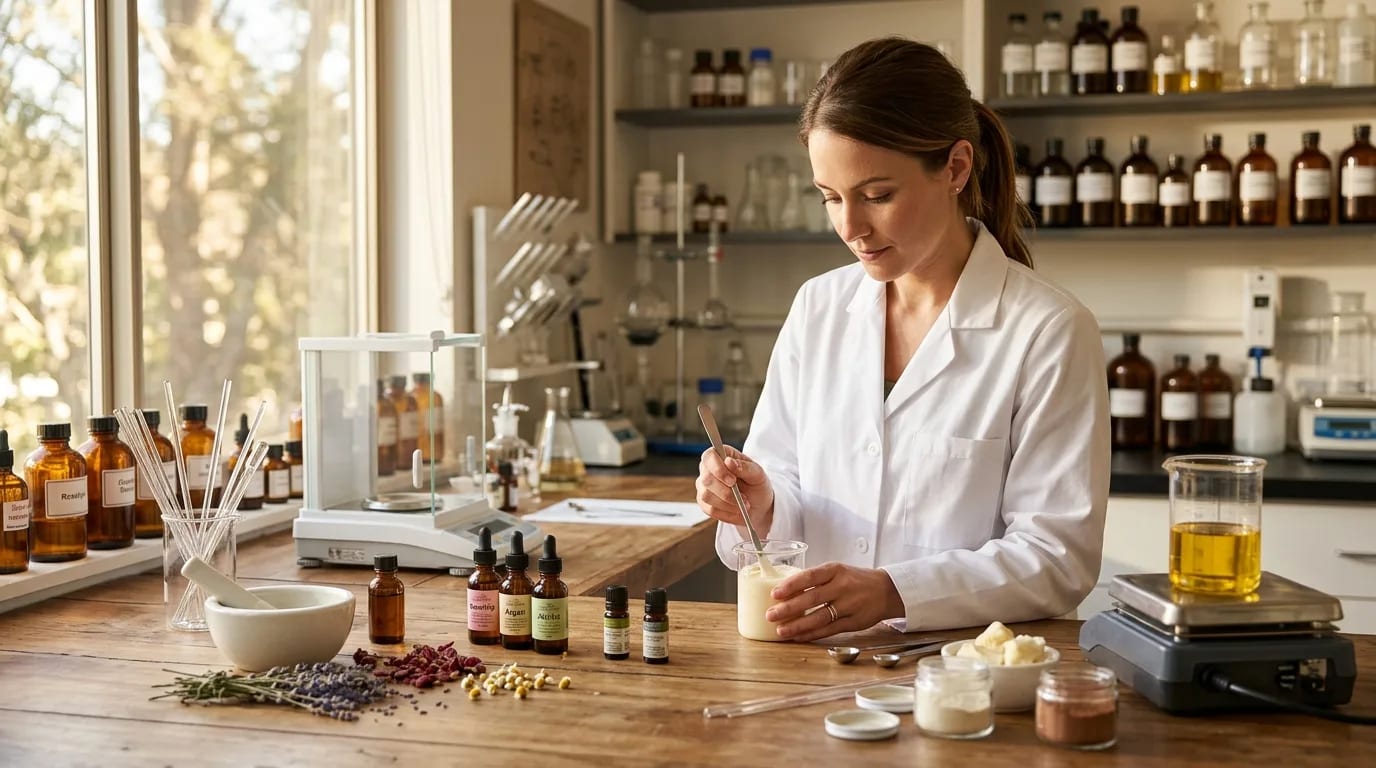
Working skincare recipes are emulsions or gels built on measured percentages: 3-5% emollient plus 0.5-2% emulsifier for a lotion, 0.5-1% gelling polymer for a serum base, and always a broad-spectrum preservative system tested at a pH of 4.5-5.5. Anything mixed in a kitchen without a preservative or
Pick up any shampoo off the shelf — expensive, cheap, "natural," "sulfate-free" — and flip it over. Somewhere in the first five ingredients you'll find something ending in Sulfate, Betaine, or Glucoside. That's a surfactant — the class of ingredients without which shampoo would just be scented water
Have you ever wondered why one nail polish lasts a week while another chips within a day — even though both cost the same and look similar in the bottle? The answer isn't in the brand or in luck. It's in exactly how the film-forming system is formulated. Nail polish is one of the most technically de
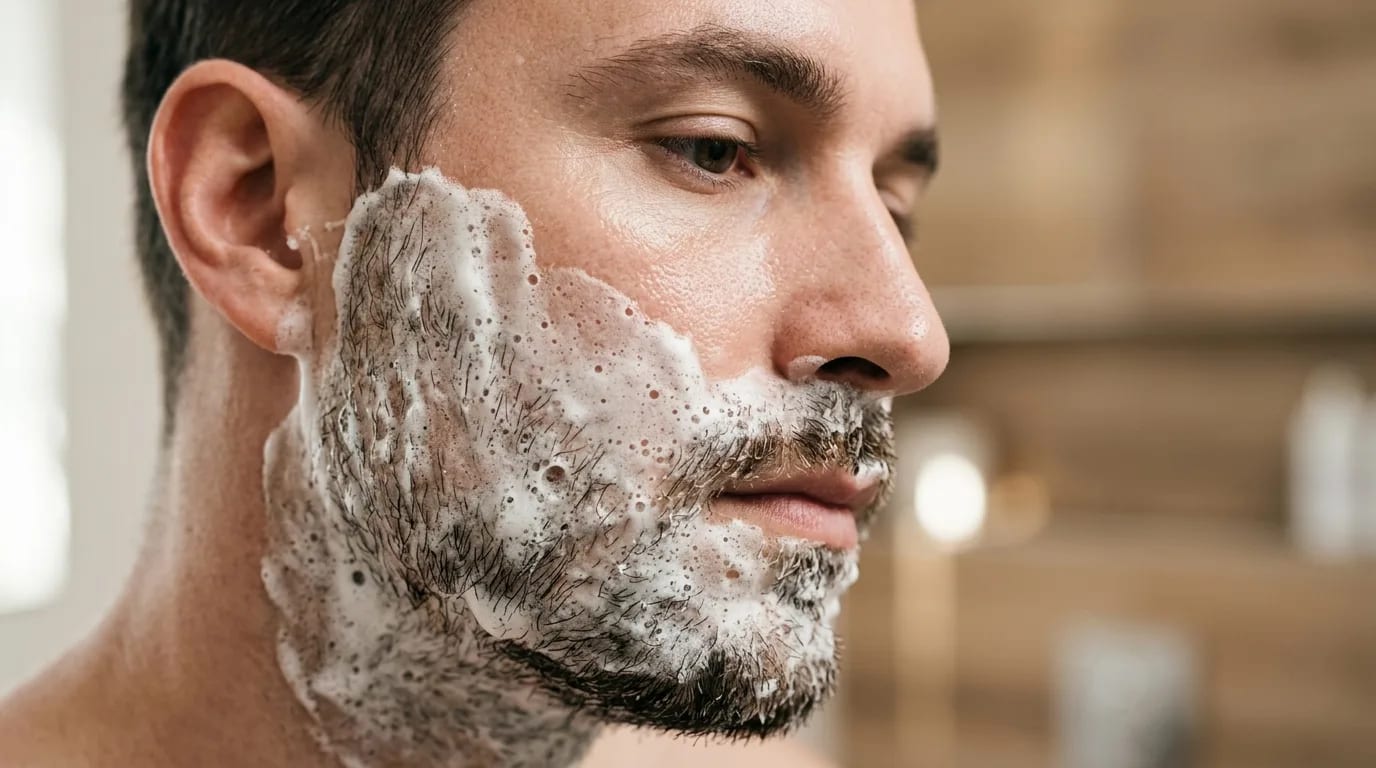
Every morning, millions of people apply a product to their face that has to do three incompatible things at once: soften the hair, lubricate the skin, and stay out of the blade's way as it cuts exactly what it's supposed to. It sounds simple — until you start breaking down the formula. Shaving cream
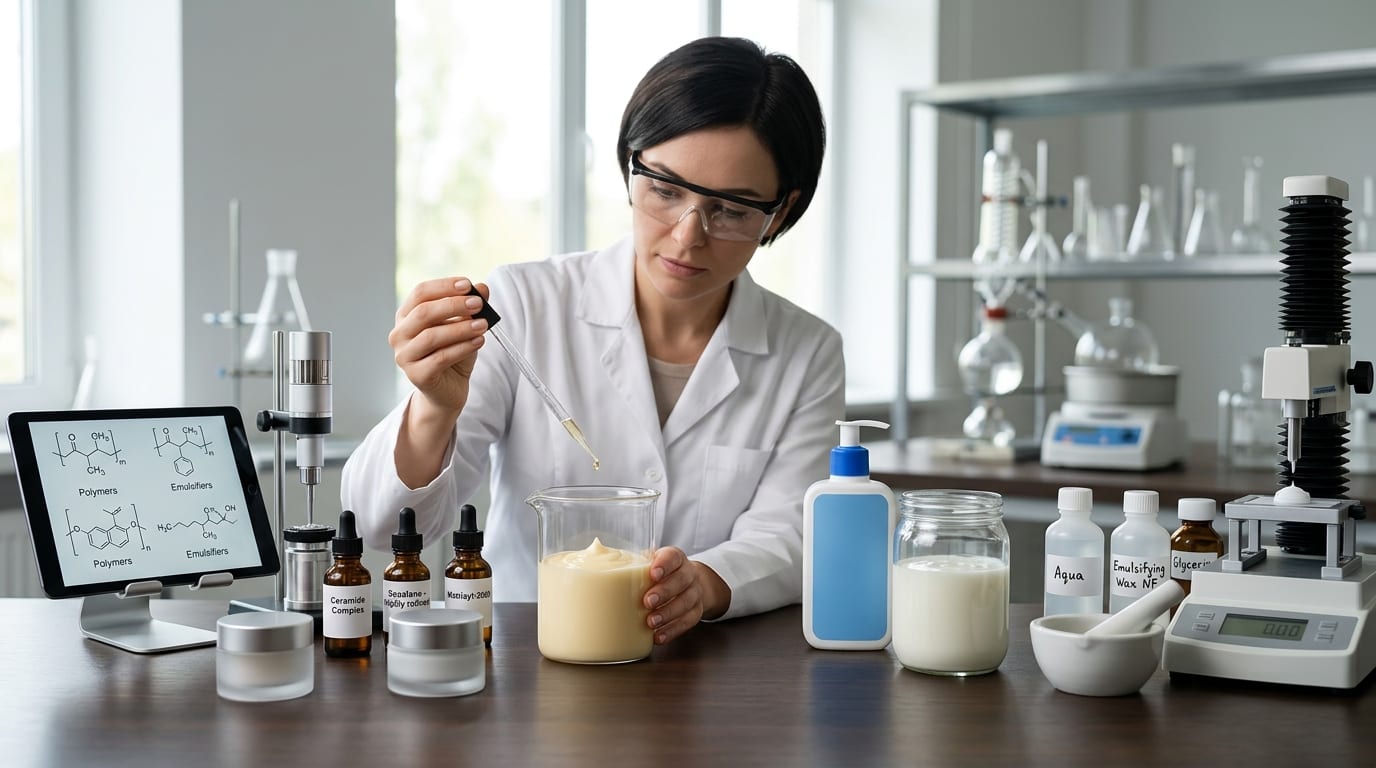
Have you ever noticed that a professional face cream costing 8,000 rubles and a pharmacy moisturizing lotion for 400 rubles can contain almost identical ingredients — yet feel completely different on the skin? This isn't a marketing trick or a placebo effect. It's formulation. And the deeper you und
There's one thing almost nobody warns beginners in home formulation about: finding a good formula is only half the job. The other half is finding what to actually make it from. And that's where the real quest begins. Because between "I want to make a cream with niacinamide and ceramides" and "I have
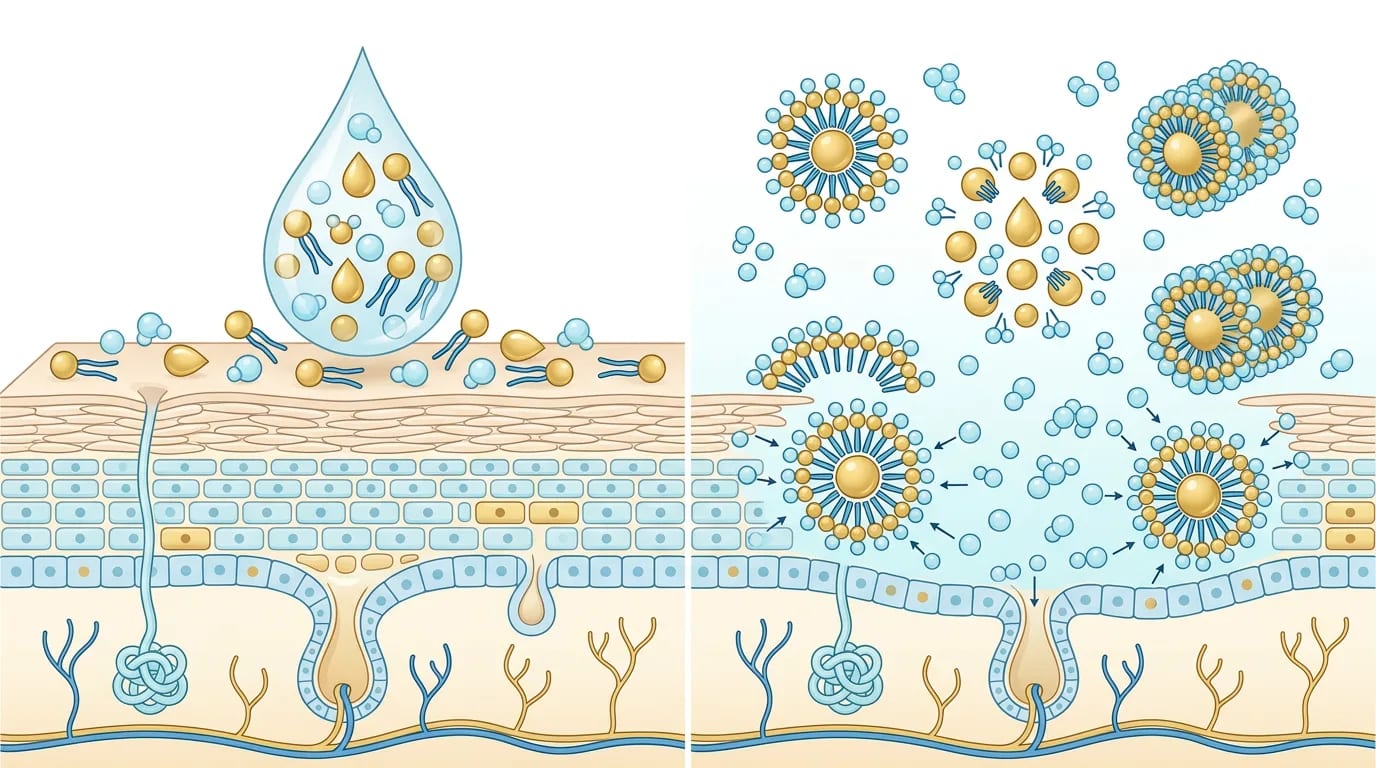
Do you know what the Soviet “Krapiva” shampoo, the Japanese furo ritual, and a modern sulphate-free bottle costing around £30 have in common? They all solve one problem: removing sebum, dirt, and styling residue without turning hair into straw. The only difference is how exactly this happens at a molecular level.
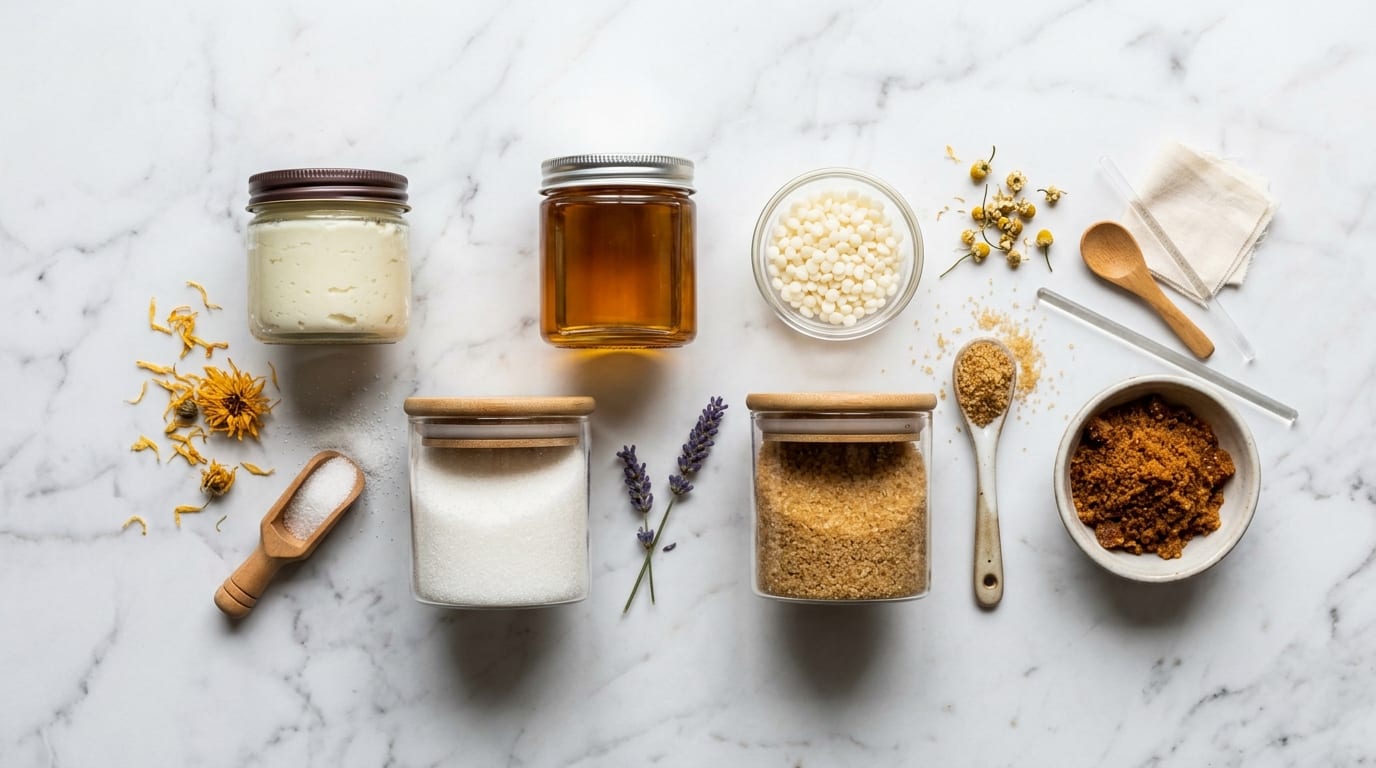
There is one point that stumps almost everyone making a scrub at home for the first time: the product looks perfect in the jar, but in the shower, it turns into an oily puddle that is impossible to wash off. Your skin is greasy, your towel is stained, and it feels like you've rubbed yourself with margarine. Sound familiar? The problem isn't the sugar or the
Take any five bottles of conditioner from different shelves — from mass-market to luxury — and compare the ingredients. Most likely, you will find the same set: water, cetyl alcohol, behentrimonium chloride, silicone, fragrance. The price difference can be tenfold, the difference in chemistry — almost none. This is not
DIY body scrub: what cosmetic chemistry thinks of your kitchen recipes At the “Walker Formulation Academy” school, we are convinced that understanding the chemistry behind every ingredient is what distinguishes a conscious formulator from someone who simply follows other people's recipes. Every week, thousands of people google how to
If you want to understand how to choose the best hydrophilic cleansing oil — whether for formulating at home or professional development — you should start not with marketing descriptions on labels, but with chemistry. A hydrophilic oil is not just an "oil that washes off with water." It is a carefully balanced
Creating a homemade lip balm seems like a simple task: melt the wax, add oils, and pour into tubes. But this apparent simplicity hides several serious risks that are rarely mentioned in recipe articles. Oils oxidize. Essential oils, which seem harmless at
 Walker Formulation Academycosmetic chemistry