Articles tagged "rheology"
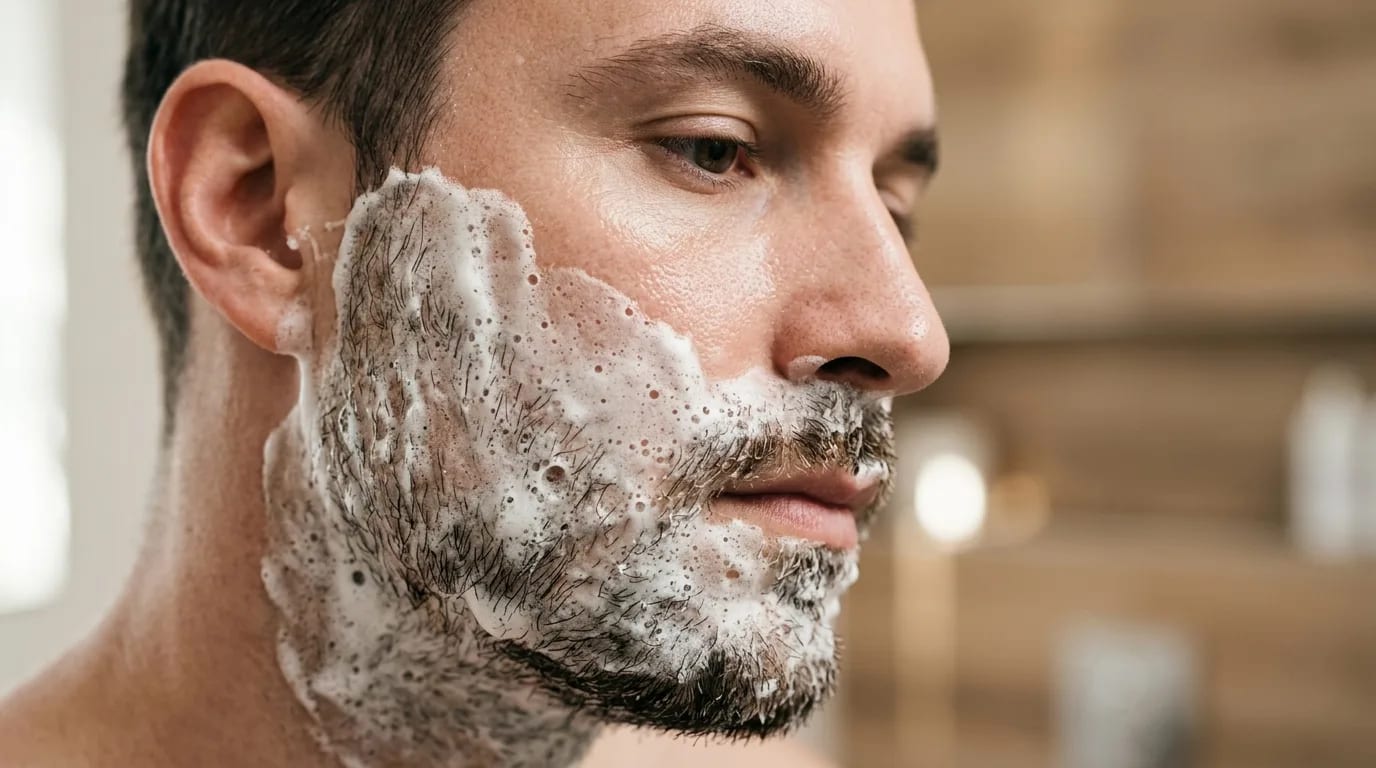
Every morning, millions of people apply a product to their face that has to do three incompatible things at once: soften the hair, lubricate the skin, and stay out of the blade's way as it cuts exactly what it's supposed to. It sounds simple — until you start breaking down the formula. Shaving cream
Do you know what the Soviet “Krapiva” shampoo, the Japanese furo ritual, and a modern sulphate-free bottle costing around £30 have in common? They all solve one problem: removing sebum, dirt, and styling residue without turning hair into straw. The only difference is how exactly this happens at a molecular level.
Imagine: it's 11 PM, you open your laptop, you don't have access to a supplier database, and the deadline for a new formula is tomorrow morning. In the past, this meant hours spent in stacks of textbooks or desperate searches through forums. Today, some cosmetic chemists simply open ChatGPT — and get a starting for
Creating a good shampoo is more difficult than it seems at first glance. Many beginner formulators, inspired by the idea of natural cosmetics, mix a mild surfactant with a couple of essential oils — and are surprised why the result is disappointing: the hair squeaks, the foam disappears, and the formula separates after a week. Pr
Anyone who has ever held a jar of expensive cream and thought, "What if I could make something better?" is already on the threshold of cosmetic chemistry. Creating a moisturizing cream yourself is not just about mixing oil and water. Achieving the right texture, a lasting feeling of comfort on the skin, and real hydration
A serum is one of the most technically complex and, at the same time, most sought-after products in DIY skincare. This is where a formulator first encounters the need to simultaneously manage viscosity, pH, active ingredient compatibility, and system stability. A well-designed serum recipe
The fridge question — why cold storage doesn't automatically make your emulsion safer At the Walker Formulation Academy, we regularly encounter one of the most persistent myths in DIY skincare — the belief that a refrigerator automatically makes a product safer.<
A hydrosol is one of those ingredients that only seems simple at first glance. Behind the term "floral water" lies a complex mixture of volatile aromatic compounds, organic acids, trace amounts of essential oils, and biologically active molecules capable of truly influencing the condition of the skin.
Body scrub is one of the first products that home formulators start with. It seems simple: take sugar, add oil, mix — and it's done. But that is exactly where the trap lies: most homemade scrubs either separate within a week, irritate the skin, or just wash down the drain.
The periorbital zone is one of the most demanding areas in cosmetic chemistry. The skin here is 4–5 times thinner than on the cheeks, almost devoid of sebaceous glands, and is constantly subjected to mechanical stress from facial expressions. This is precisely why peptides for the eye area have become one of the most sought-after classes.
Xanthan vs. guar gum: charge, rheology, and suspending properties. Experiment: 0.8% guar + 0.2% xanthan = maximum viscosity. Gum synergy, test gel formula at pH 4, and practical recommendations.
Tribology in cosmetics: how friction affects the perception of a cream. Why a blend of guar and xanthan gum provides a better sensory profile. Practical takeaways for formulators.
 Walker Formulation Academycosmetic chemistry