Articles tagged "oils and butters"
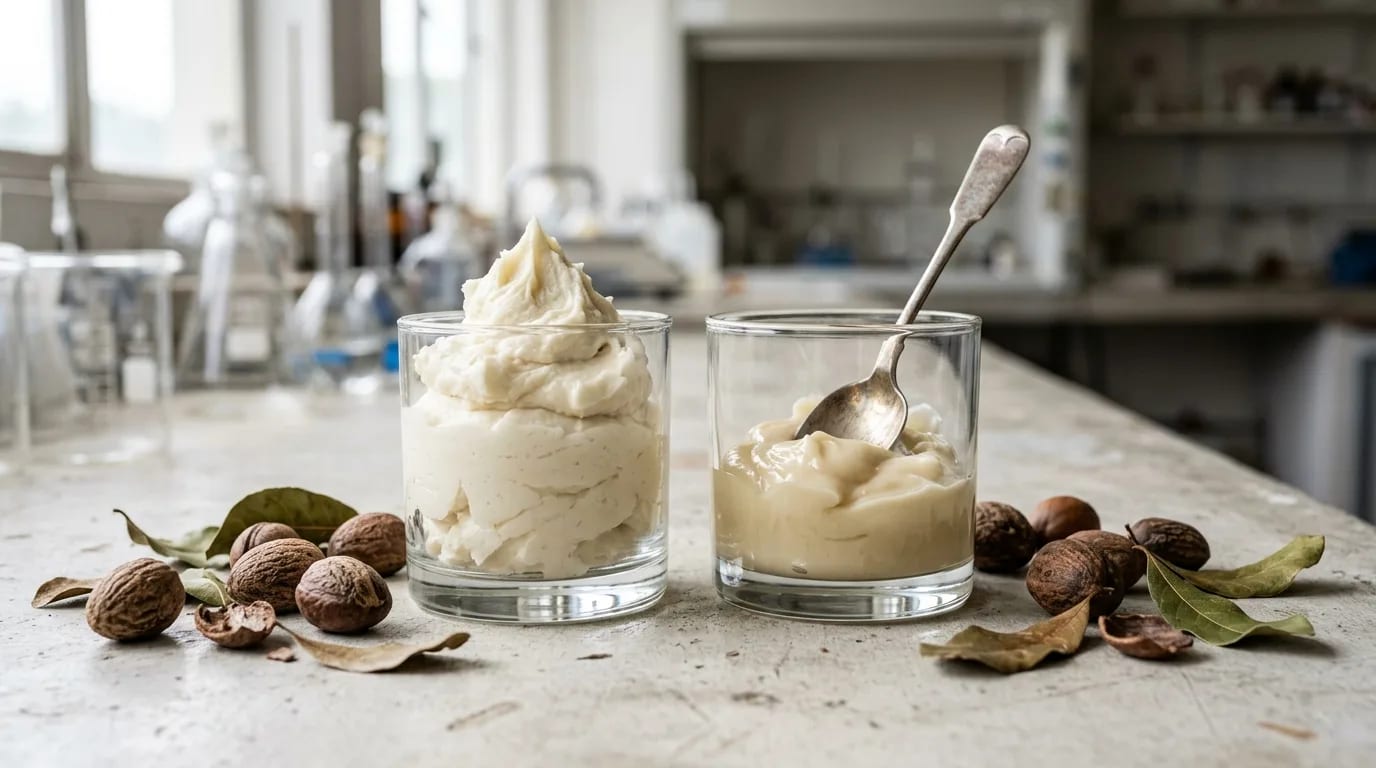
Same seed, same variety, different summer, different oil. Why shea butter from the same supplier whips into a fluffy mousse one month and collapses into a greasy paste the next — and what to do about grainy texture and shelf life.
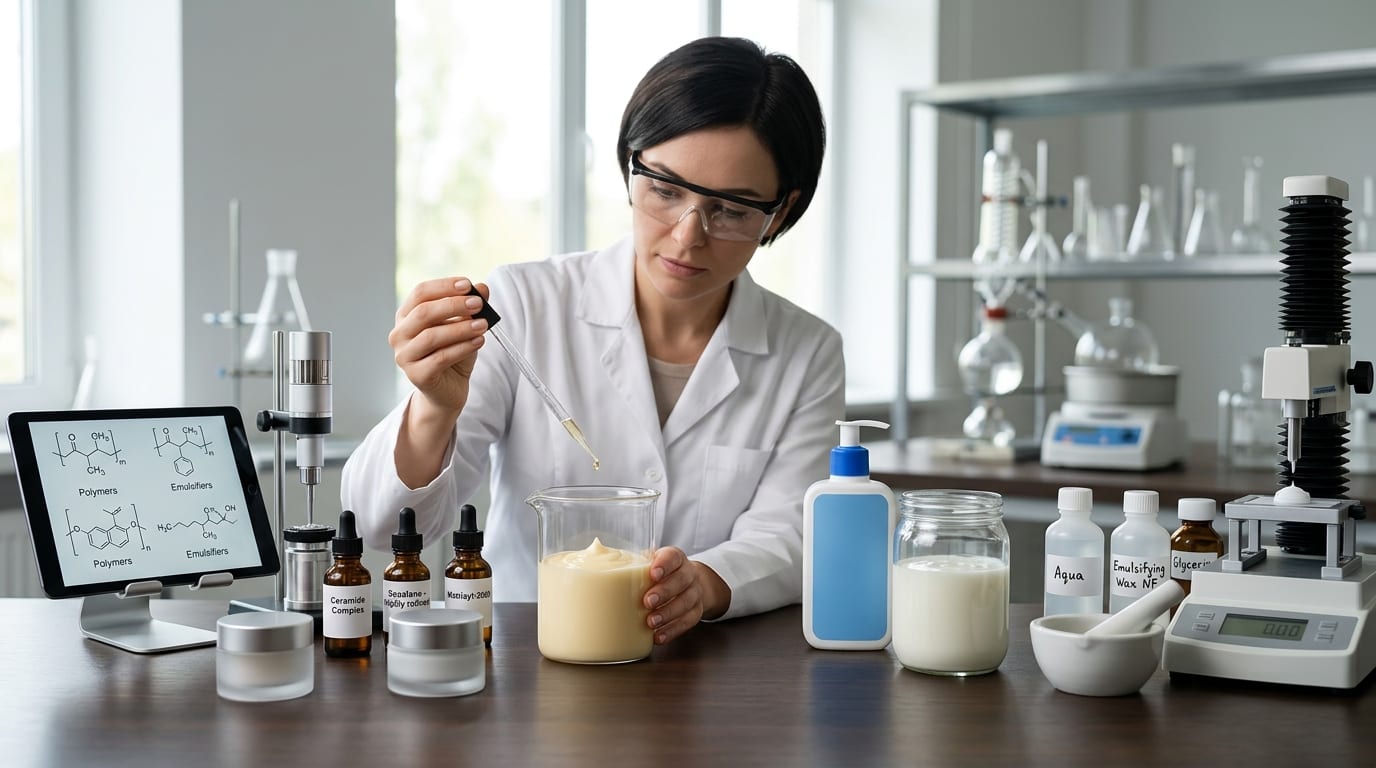
Have you ever noticed that a professional face cream costing 8,000 rubles and a pharmacy moisturizing lotion for 400 rubles can contain almost identical ingredients — yet feel completely different on the skin? This isn't a marketing trick or a placebo effect. It's formulation. And the deeper you und
Preservation of anhydrous products At Walker Formulation Academy, we regularly analyse topics where cosmetic chemists accumulate the most mistakes — and the preservation of anhydrous products is one of them. Is it necessary and how to do it correctly — a methodological analysis for the Formulation Club. Short
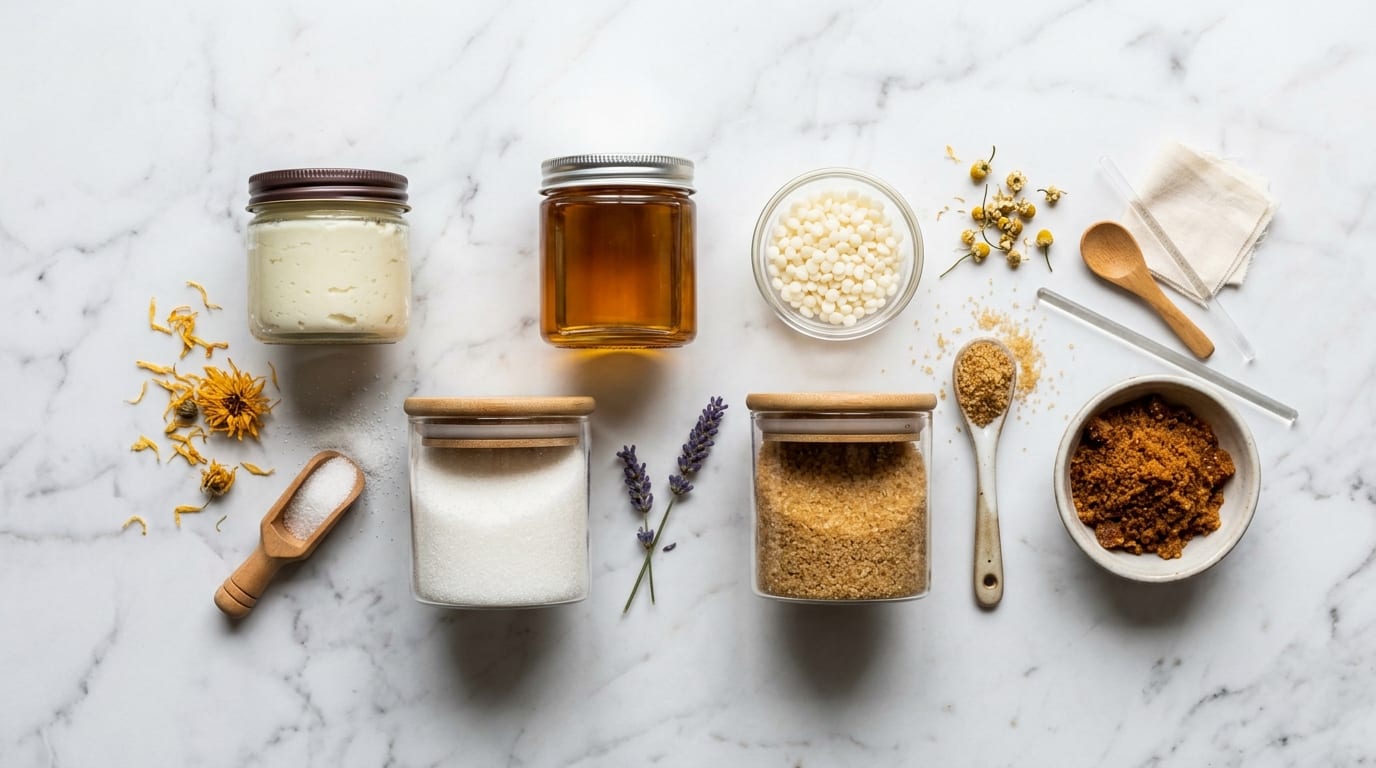
There is one point that stumps almost everyone making a scrub at home for the first time: the product looks perfect in the jar, but in the shower, it turns into an oily puddle that is impossible to wash off. Your skin is greasy, your towel is stained, and it feels like you've rubbed yourself with margarine. Sound familiar? The problem isn't the sugar or the
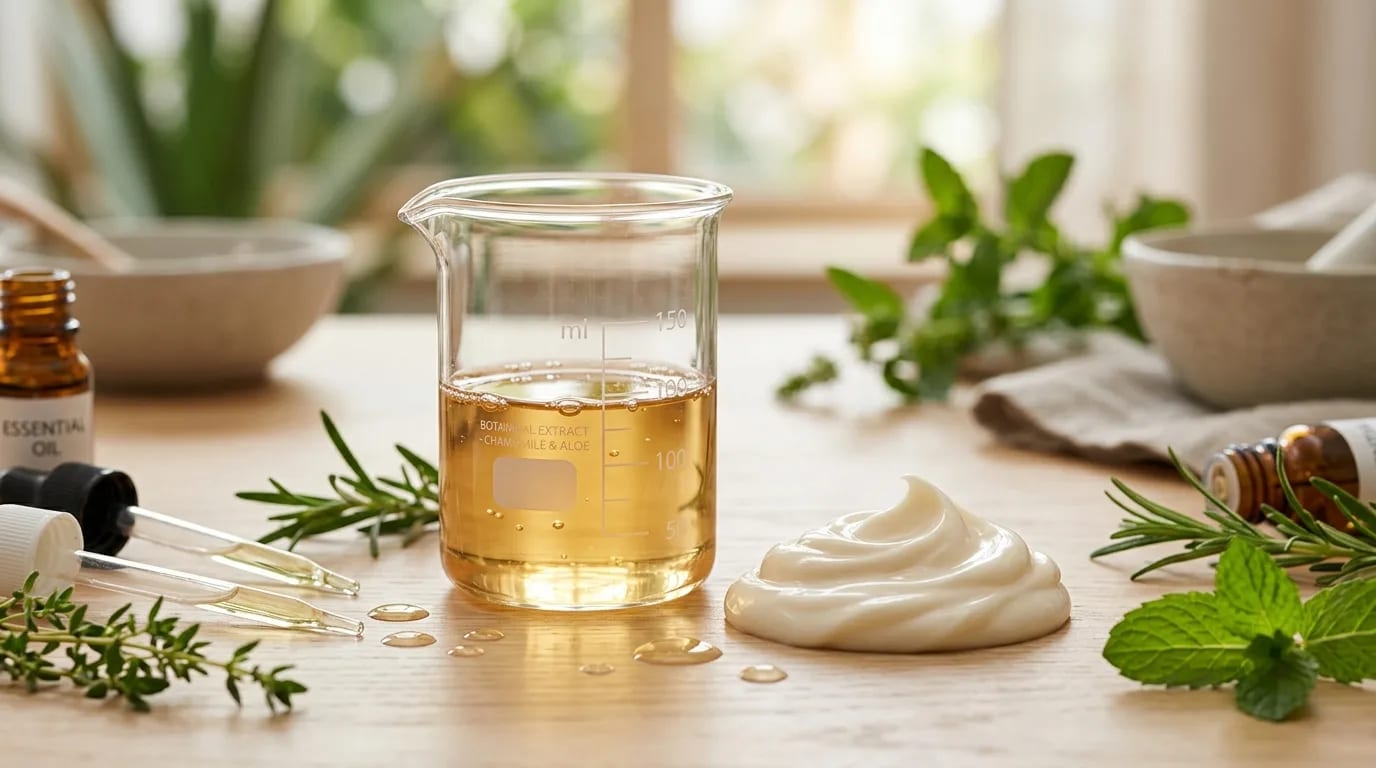
Oxidation of essential oils in a finished cosmetic product: the invisible enemy of a fresh scent. At the “Walker Formulation Academy” school, we are convinced that understanding chemistry is the foundation of responsible formulation, and the topic of essential oil oxidation in finished cosmetics deserves a separate and honest discussion. Most aromat
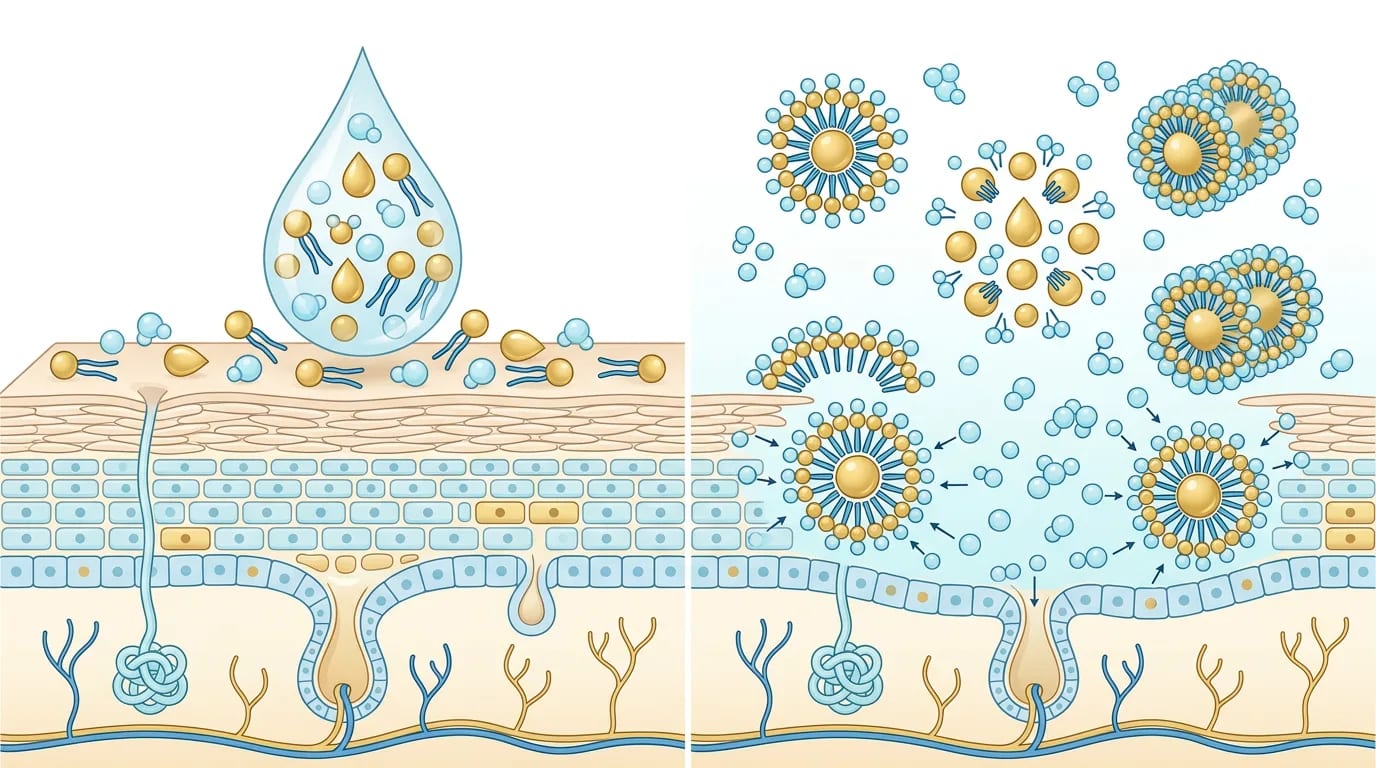
If you want to understand how to choose the best hydrophilic cleansing oil — whether for formulating at home or professional development — you should start not with marketing descriptions on labels, but with chemistry. A hydrophilic oil is not just an "oil that washes off with water." It is a carefully balanced
Creating a homemade lip balm seems like a simple task: melt the wax, add oils, and pour into tubes. But this apparent simplicity hides several serious risks that are rarely mentioned in recipe articles. Oils oxidize. Essential oils, which seem harmless at
Most formulators create a serum once and use it all year round. This works, but it is not optimal. In January and July, skin lives in fundamentally different conditions: different air humidity, different temperatures, and different levels of transepidermal water loss (TEWL). If you want to...
When a formulator chooses an oil for a formula, the first question is usually: "Is it light or heavy?" But behind this subjective feeling lies precise biochemistry. Fatty acids in skin oils are the molecules that determine everything: absorption rate, oxidative stability, and barrier properties.
Anyone who has ever held a jar of expensive cream and thought, "What if I could make something better?" is already on the threshold of cosmetic chemistry. Creating a moisturizing cream yourself is not just about mixing oil and water. Achieving the right texture, a lasting feeling of comfort on the skin, and real hydration
DIY lip balm is one of the first projects most home formulators start with. It seems simple enough: melt the wax, add the oil, and pour it into jars. But that is exactly where the trap lies: without an understanding of the chemistry of the components, you end up with a wax candle that is impossible to
When it comes to anti-ageing cosmetics, essential oils for facial skin against wrinkles occupy a special place: they simultaneously attract with their "naturalness" and raise questions for those who understand chemistry. Can volatile aromatic compounds really influence collagen synthesis, neutral
 Walker Formulation Academycosmetic chemistry