Useful material on cosmetic chemistry, ingredients and growing your business
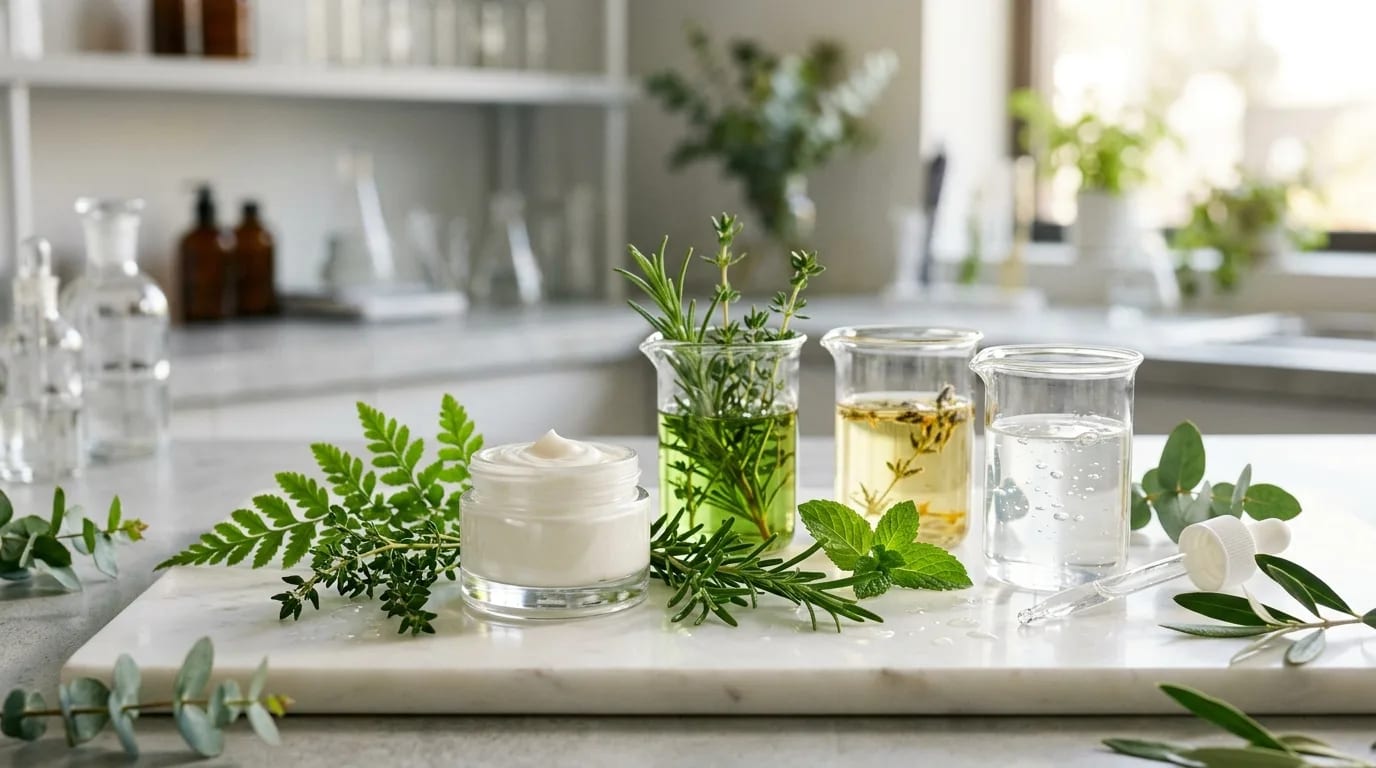
DIY facial toner is one of the first products most home formulators start with. It may seem like just water with a few additives, but behind this simplicity lies serious chemistry: choosing solvents, managing pH, proper preservation, and the precise selection of actives.
When scientists from the University of Manchester and the No7 brand announced the creation of a 'superpeptide', the cosmetic community reacted with mixed feelings: some spoke of a revolution, others of marketing. But behind the loud headlines lies some truly interesting chemistry. We are talking about a fundamentally new approach
When a formulator first creates an anti-ageing face cream formula, the initial impulse is to add all the best ingredients at once: retinol, vitamin C, peptides, AHA acids, and niacinamide. The logic is clear: the more actives, the more effective the cream. But this is exactly where most formulas quietly "die" — not at the emulsification stage
Peptide cosmetics are no longer a niche topic: today, they are one of the fastest-growing segments of active ingredients. But while signal and matrikine peptides are already well-known to cream formulators, neuropeptides — and especially melanocyte-stimulating compounds — remain a gap even for ex
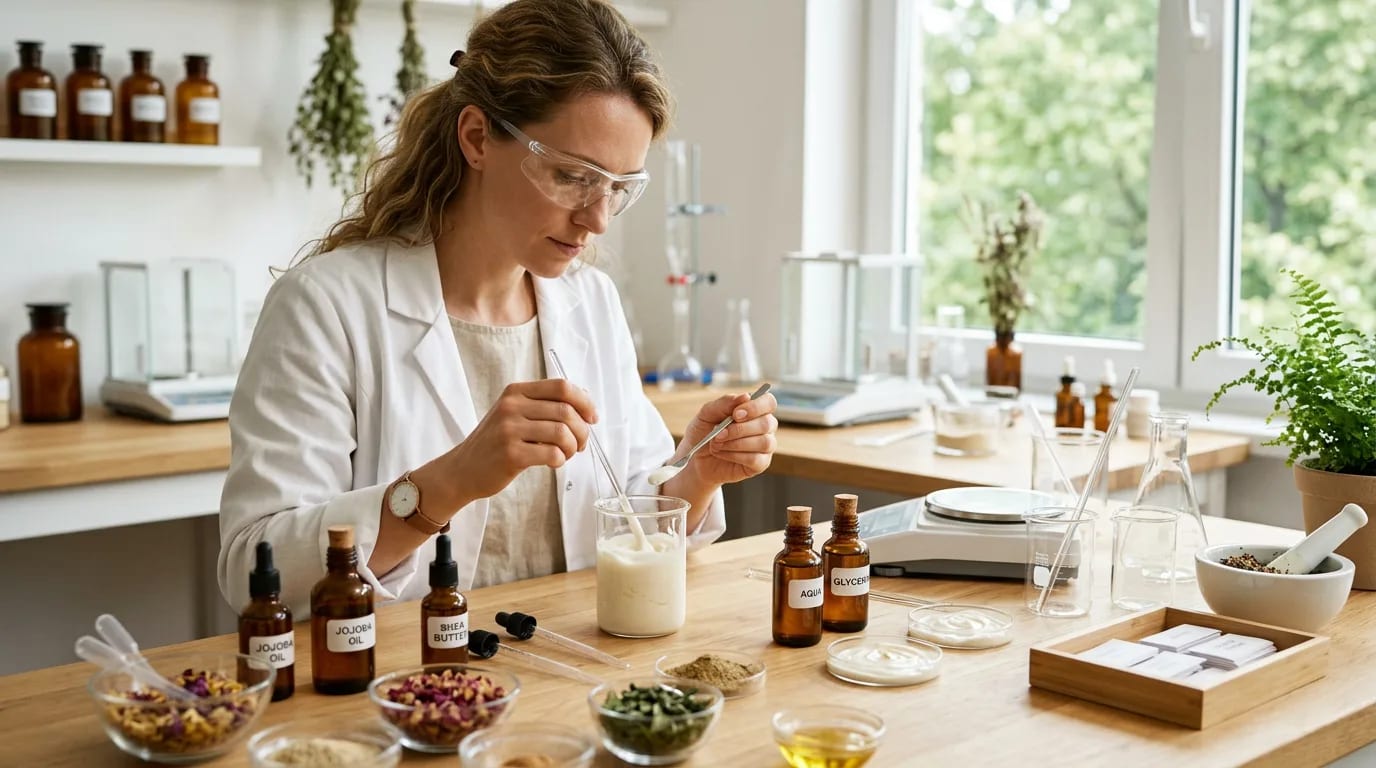
Anyone who has ever held a jar of expensive cream and thought, "What if I could make something better?" is already on the threshold of cosmetic chemistry. Creating a moisturizing cream yourself is not just about mixing oil and water. Achieving the right texture, a lasting feeling of comfort on the skin, and real hydration
A serum is one of the most technically complex and, at the same time, most sought-after products in DIY skincare. This is where a formulator first encounters the need to simultaneously manage viscosity, pH, active ingredient compatibility, and system stability. A well-designed serum recipe
Peptide serums for skin have long moved beyond being a marketing trend: today, they are one of the most technically complex and, at the same time, effective classes of cosmetic products. For a formulator who wants to work consciously, rather than just “adding a peptide according to instructions”, it is important to understand what they are
When a formulator first attempts to formulate an anti-ageing product, the initial impulse is to add everything that sounds convincing to the recipe: retinol, peptides, vitamin C, hyaluronic acid, niacinamide. The result is predictable: an unstable emulsion, irritated skin, and a complete lack of understanding of what exactly
Do you know how many raw materials are officially registered in the latest edition of the INCI Dictionary? More than 17,000. And that is just the tip of the iceberg — each ingredient has several suppliers, each with its own trade name and slightly different characteristics. When a person first op
When it comes to the best skin peptide available today, the answer is no longer limited to classic Argireline or Matrixyl. In 2024–2025, a group of scientists from the University of Manchester, in collaboration with the No7 brand team, introduced a matrix super-peptide complex capable of
The periorbital zone is one of the most demanding areas in cosmetic chemistry. The skin here is 4–5 times thinner than on the cheeks, almost devoid of sebaceous glands, and is constantly subjected to mechanical stress from facial expressions. This is precisely why peptides for the eye area have become one of the most sought-after classes.
If you have ever studied the ingredients of an anti-ageing cream, you have encountered them — peptides. These short chains of amino acids have become one of the most discussed classes of active ingredients in cosmetic chemistry, and for good reason. A properly selected peptide for facial skin in a cream formula is capable of targeting specific skin concerns.
 Walker Formulation Academycosmetic chemistry