Articles in the "Ingredients" category
To formulate a brightening serum with alpha arbutin, use 1–2% active ingredient in a water-based gel at pH 4.0–5.5, add a chelator like disodium EDTA to prevent discolouration, pair with 0.5–1% ferulic acid or 5% niacinamide for synergy, and preserve properly since the aqueous base is microbially vu
Centella asiatica skincare refers to formulas containing Centella asiatica (Gotu Kola) extract, standardised for triterpenes like madecassoside and asiaticoside. Effective creams and serums use 0.1–1% extract or a standardised complex (often 1–5% madecassoside content), at pH 4.5–6, to support barri
Effective serums typically contain 0.1% to 2% hyaluronic acid (as sodium hyaluronate, the salt form used in cosmetics), listed as active ingredient concentration, not raw material weight. Above 2%, viscosity and diminishing returns kick in. Molecular weight matters more than percentage: blends of hi
Vitamin C serum stability depends mainly on three factors: pH (L-ascorbic acid needs 3.0–3.5 to stay active), oxygen/light exposure, and the vitamin C derivative chosen. Pure L-ascorbic acid at 10–20% typically holds full potency for 3–4 months in opaque, airless packaging; derivatives like sodium a
The benefits of face serums come from high active-ingredient concentration (often 5–20% actives), low-viscosity carriers that aid penetration, and minimal filler content compared to creams. Serums deliver niacinamide, peptides, vitamin C, or hyaluronic acid closer to the skin barrier, targeting spec
Antioxidants in skincare are molecules — vitamin C, vitamin E, ferulic acid, resveratrol, astaxanthin — that donate electrons to neutralise free radicals generated by UV light and pollution before those radicals damage collagen, lipids and DNA. L-ascorbic acid works at 10–20% and pH 3.5, while tocop
Apply hyaluronic acid serum to damp skin, then seal with a moisturiser or oil within 60 seconds — HA is a humectant that pulls water from the air or from deeper skin layers, and without an occlusive on top, low humidity can leave skin feeling tighter than before. Use a blend of low- and high-molecul
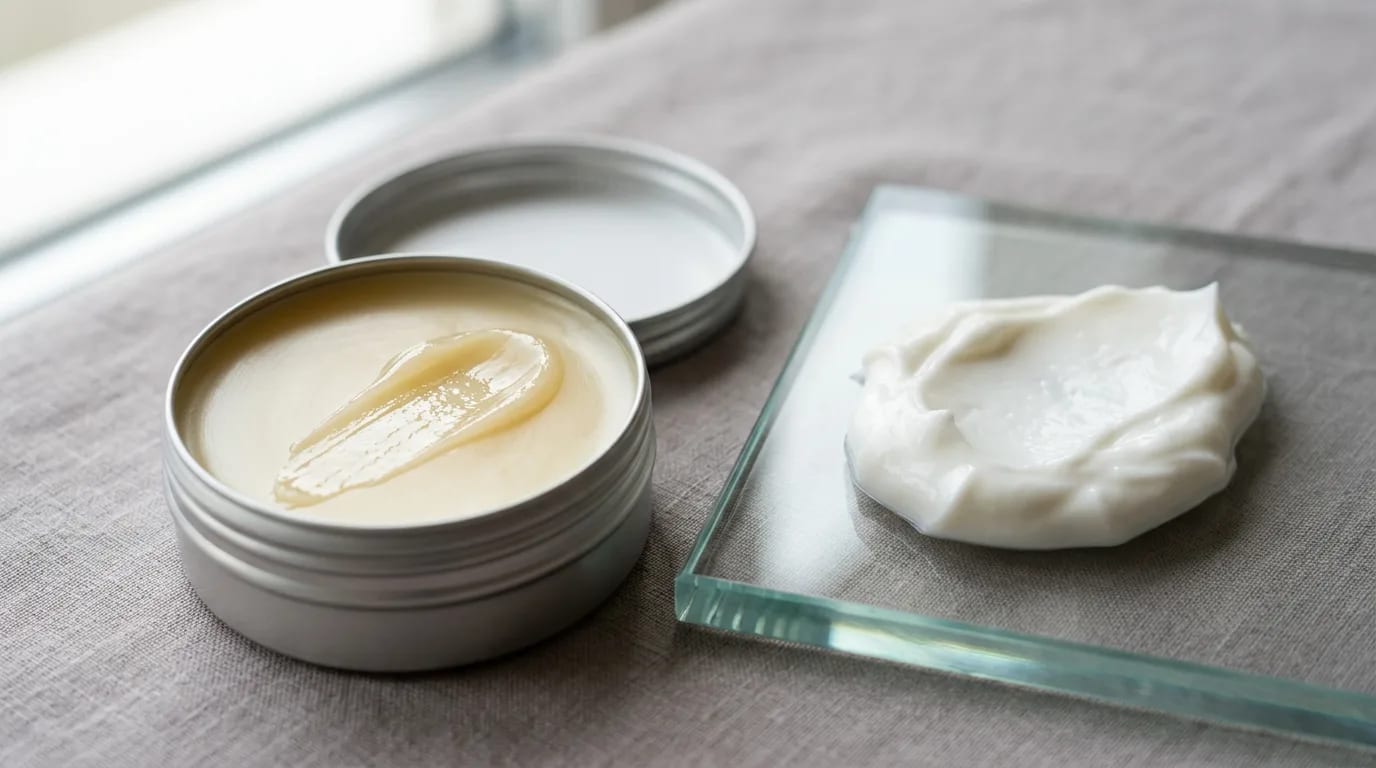
Why your balm feels greasy when your cream does not Two complaints, and they arrive from the same jar. The first is in the warm kitchen: you rub in the balm and ten minutes later your hands still look polished, while the cream you made from the same oils, at a similar total load, sank in and said no
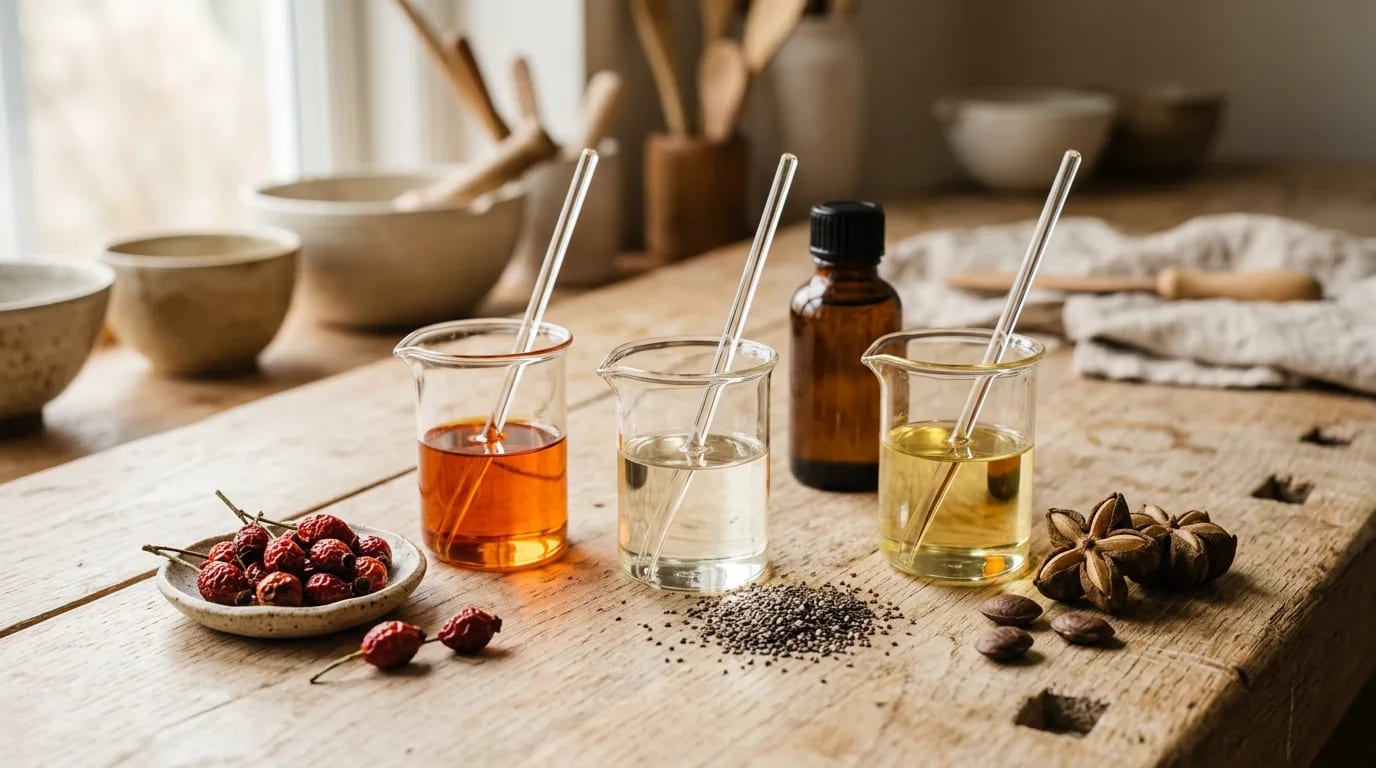
Why rosehip oil smells like crayons after three months You bought it in the spring: a small amber bottle, cold-pressed, more expensive per millilitre than anything else on the shelf. You used it twice, put it in the bathroom cabinet, and forgot about it. Now it is September and you have opened it ag
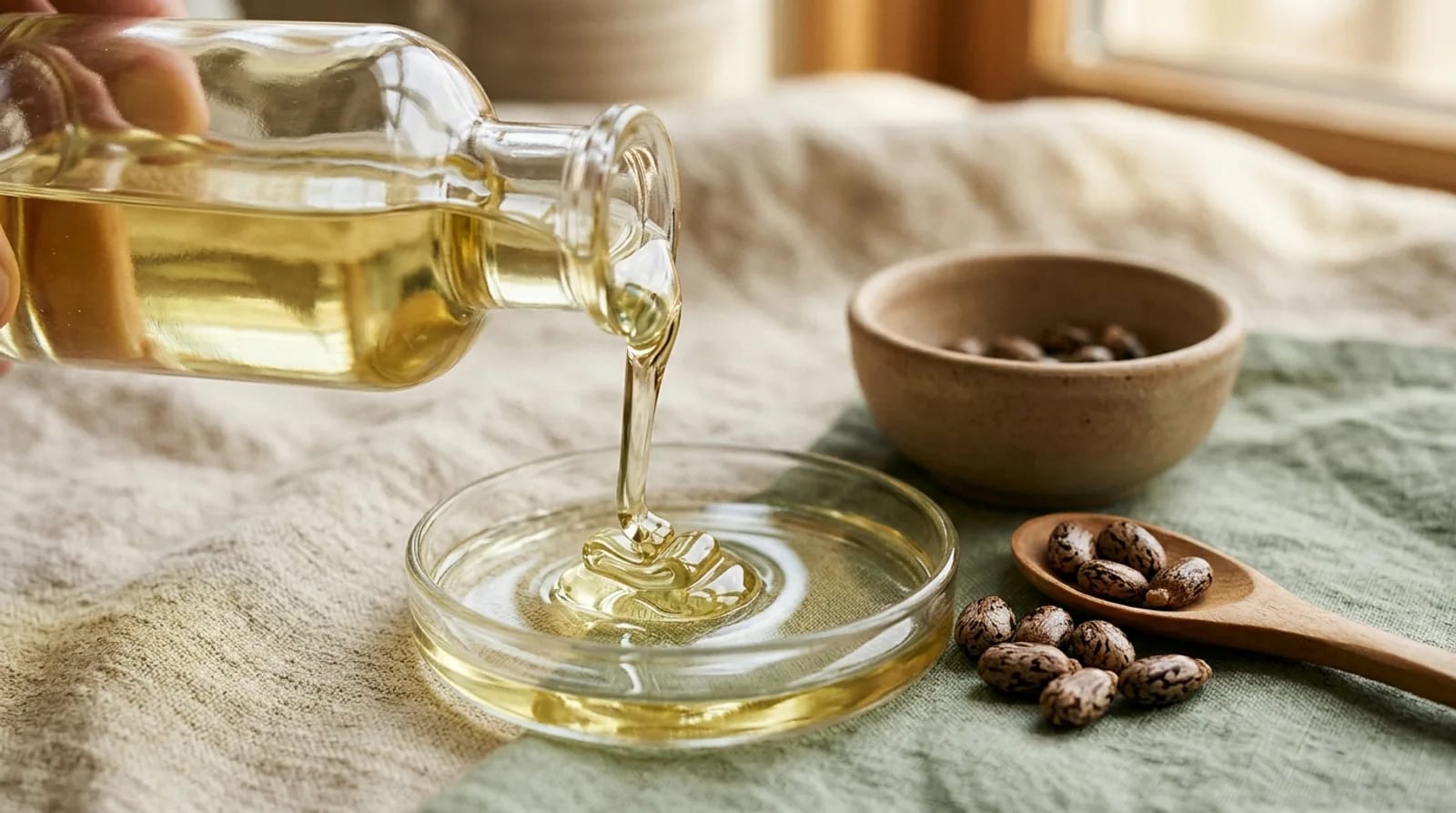
Why castor oil makes your lip balm sticky You made a lip balm to a recipe you found, with castor oil in it because every lipstick recipe has castor oil in it. It goes on well, the colour is even, and then your lips stick to each other. Not a disaster — a tug, a tackiness, a film that is still there
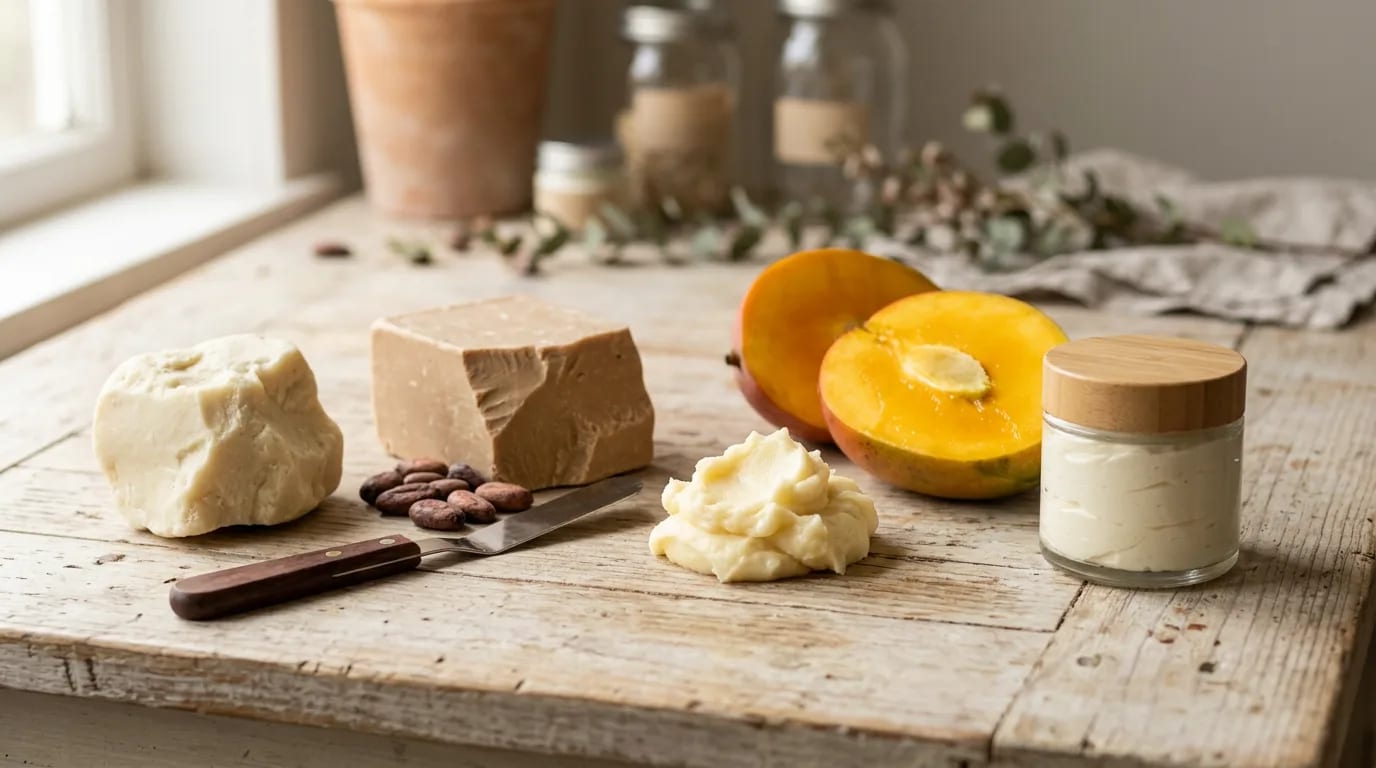
Shea, cocoa or mango: which butter makes the balm you want You made a body butter in March and it was exactly right: firm in the tin, soft under a thumb, spread without dragging. In July you opened the same tin and found a puddle with a skin on it. In January you opened it again and had to gouge at
Refined or unrefined: what you pay for in a cold-pressed oil Two listings, same oil, same supplier. One says refined ; the other says unrefined, cold pressed, virgin , has a nicer photograph, and costs two or three times as much per kilo. You are trying to work out whether the difference is a real m
 Walker Formulation Academycosmetic chemistry