Useful material on cosmetic chemistry, ingredients and growing your business
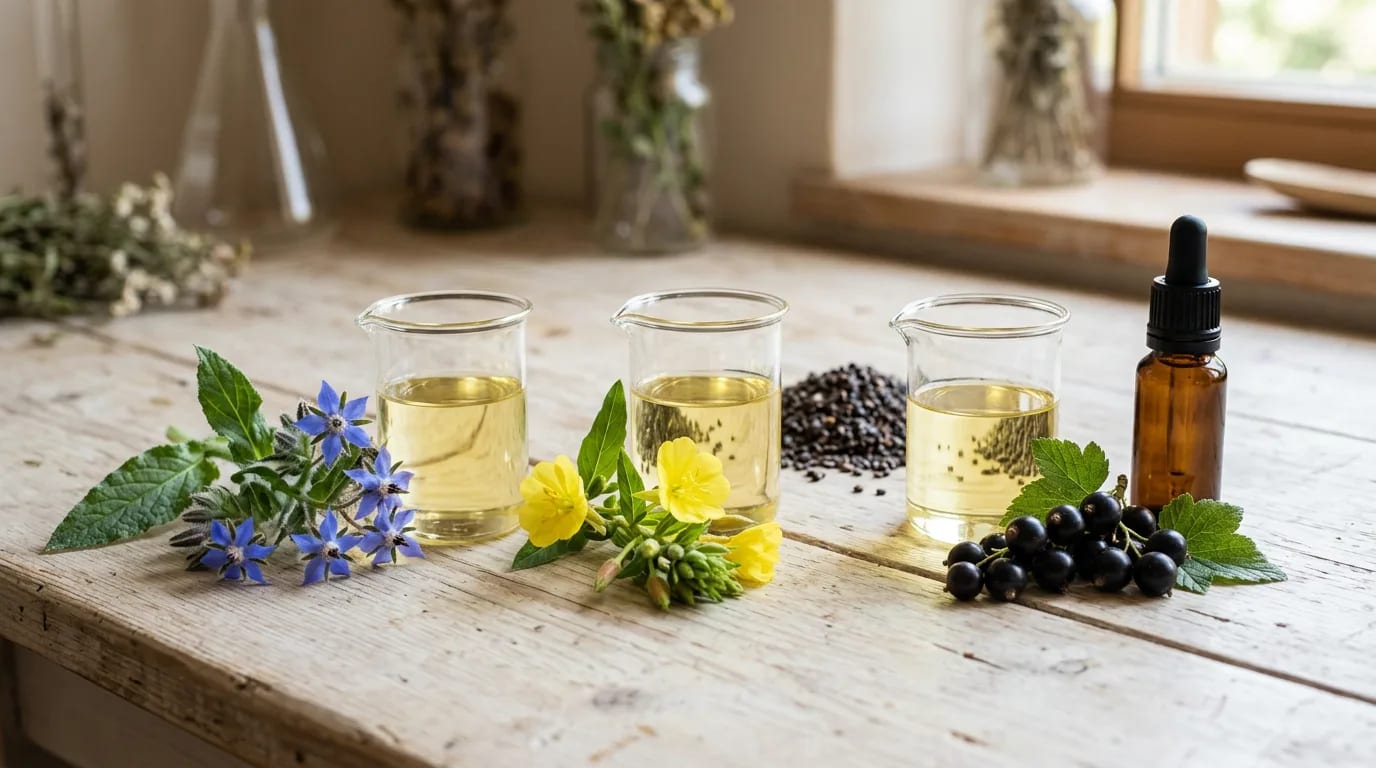
The oils you pay for by the milligram Borage, evening primrose and blackcurrant seed oil sit at the expensive end of the price list, and the reason they are there is one fatty acid: gamma-linolenic acid, GLA. This article evaluates the three oils primarily by their GLA content, their cost and the ox
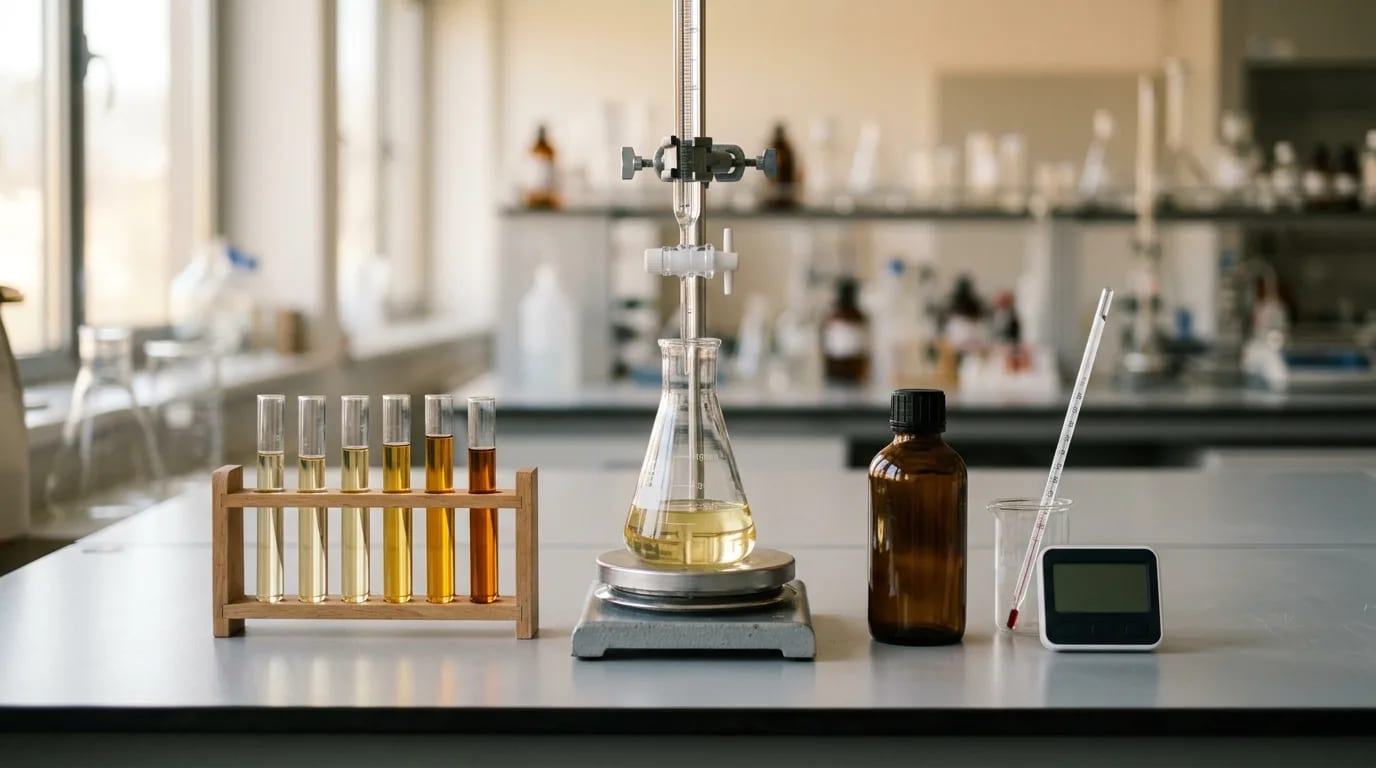
Predicting rancidity instead of waiting for it Every formulator has smelled it: the odour, which in our experience people describe as crayon-like or cardboard-like, that means a facial oil has gone off, usually noticed in a sample that was supposed to prove the product would last. The smell is the e
The light oils, and what they cost you Sunflower, grapeseed, safflower, soybean and maize oil are the oils formulators describe as light. In our formulators' experience they are what goes into a facial oil "for combination skin", a fast-absorbing body oil or a serum that must not feel greasy, and th
The oil you reach for without thinking Every formulator has a default oil: the one that goes into a first prototype before any thought has been given to it. In our formulators' experience that oil is usually oleic. Olive oil, high-oleic sunflower, hazelnut, avocado and, on the border of the group, a
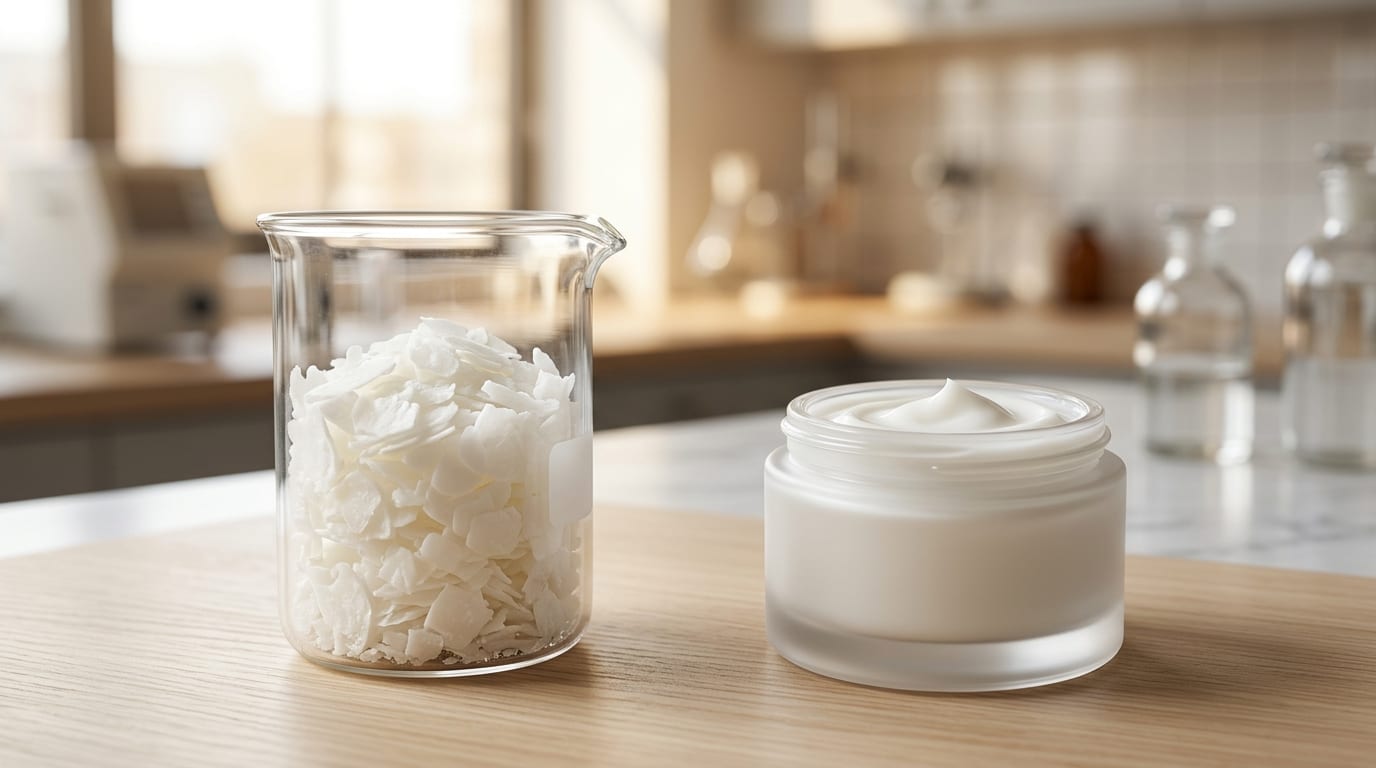
Why coconut oil refuses to behave like other oils A formulator who has learned the trade on sunflower and olive oil meets coconut oil and finds that the rules have changed. The jar that was a clear liquid in the warm kitchen is a white block on the workshop shelf. A soap recipe built around it behav
Why the name of an oil tells you less than you think Ask a formulator why a balm went grainy, why a facial oil turned rancid before its shelf life ran out, or why a cream that worked beautifully with sunflower oil fell apart when the supplier swapped in "high-oleic sunflower", and the answer is almo
The alcohol in hand sanitiser is a tiny molecule that evaporates in seconds and takes your skin’s water with it. A fatty alcohol is enormous by comparison — and behaves completely differently depending on what else is in the pot.
AI errors in calculating cosmetic formula concentrations happen because neural networks analyze a text-based INCI list, not the actual percentages of ingredients. INCI only reflects the order and qualitative composition — the formula never discloses the dosage of actives, preservatives, or surfactan
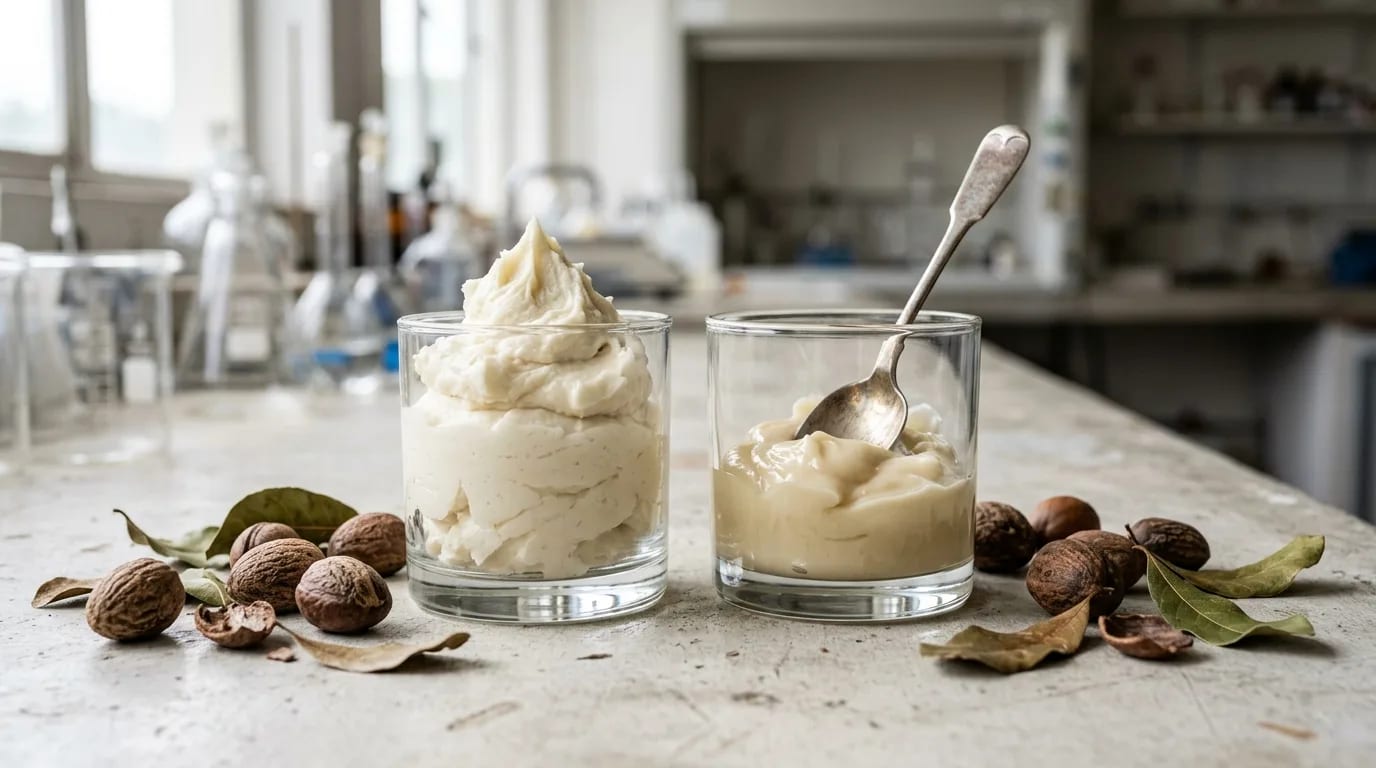
Same seed, same variety, different summer, different oil. Why shea butter from the same supplier whips into a fluffy mousse one month and collapses into a greasy paste the next — and what to do about grainy texture and shelf life.
AI Chemist vs. ChatGPT: why trust in cosmetic formulas has become a critical issue The AI Chemist analyzes a cosmetic formula against a verified ingredient database Over the past two years, queries like "decode this cream's INCI list" or "is this preservative safe" have become some of the most commo
Introduction: why choosing skincare is no longer guesswork From an averaged-out formula to AI-driven personal active selection The classic formula-development workflow looks like this: a formulator reaches for actives that "work for everyone" — Niacinamide for post-acne marks, Retinol for wrinkles,
Why Analyze a Competitor's INCI List, and How AI Helps AI analyzes the INCI label and turns it into a structured formula Every bottle on a mass-market shelf or in a niche boutique is more than marketing and packaging — it's an encoded formula, openly available to anyone in the form of an INCI list (
 Walker Formulation Academycosmetic chemistry