Useful material on cosmetic chemistry, ingredients and growing your business
Introduction: why cosmetic developers need AI prompts The cosmetic development lab: from manual formula selection to an AI assistant Developing a cosmetic formulation is a process that traditionally takes weeks, sometimes months. A formulating chemist selects a base, tests the compatibility of activ
Introduction: why peptides became a key trend in anti-aging cosmetology Over the past decade, peptides have moved from a niche ingredient in expensive anti-aging lines to one of the most frequently listed compon
Introduction: why peptides became anti-aging skincare's buzzword Anyone reading the ingredient list of virtually any anti-aging cream from the last five years is almost certain to spot the word "peptide" — Palmitoyl Pentapeptid
Pick up any shampoo off the shelf — expensive, cheap, "natural," "sulfate-free" — and flip it over. Somewhere in the first five ingredients you'll find something ending in Sulfate, Betaine, or Glucoside. That's a surfactant — the class of ingredients without which shampoo would just be scented water
Some ingredients the cosmetics industry loves for their marketing potential. Others are loved by chemists — for their predictability, broad range of action, and clinical data you wouldn't be embarrassed to show a dermatologist. Niacinamide belongs to the second category. And that's exactly why it en
Look at any of the top-10 best-selling serums — there's an 80% chance it's in there. Niacinamide. Vitamin B3. Nicotinamide. Three names for one substance that has somehow become a favorite of dermatologists, Korean labs, and home formulators alike. But here's the paradox: the more popular an ingredi
Have you ever wondered why one nail polish lasts a week while another chips within a day — even though both cost the same and look similar in the bottle? The answer isn't in the brand or in luck. It's in exactly how the film-forming system is formulated. Nail polish is one of the most technically de
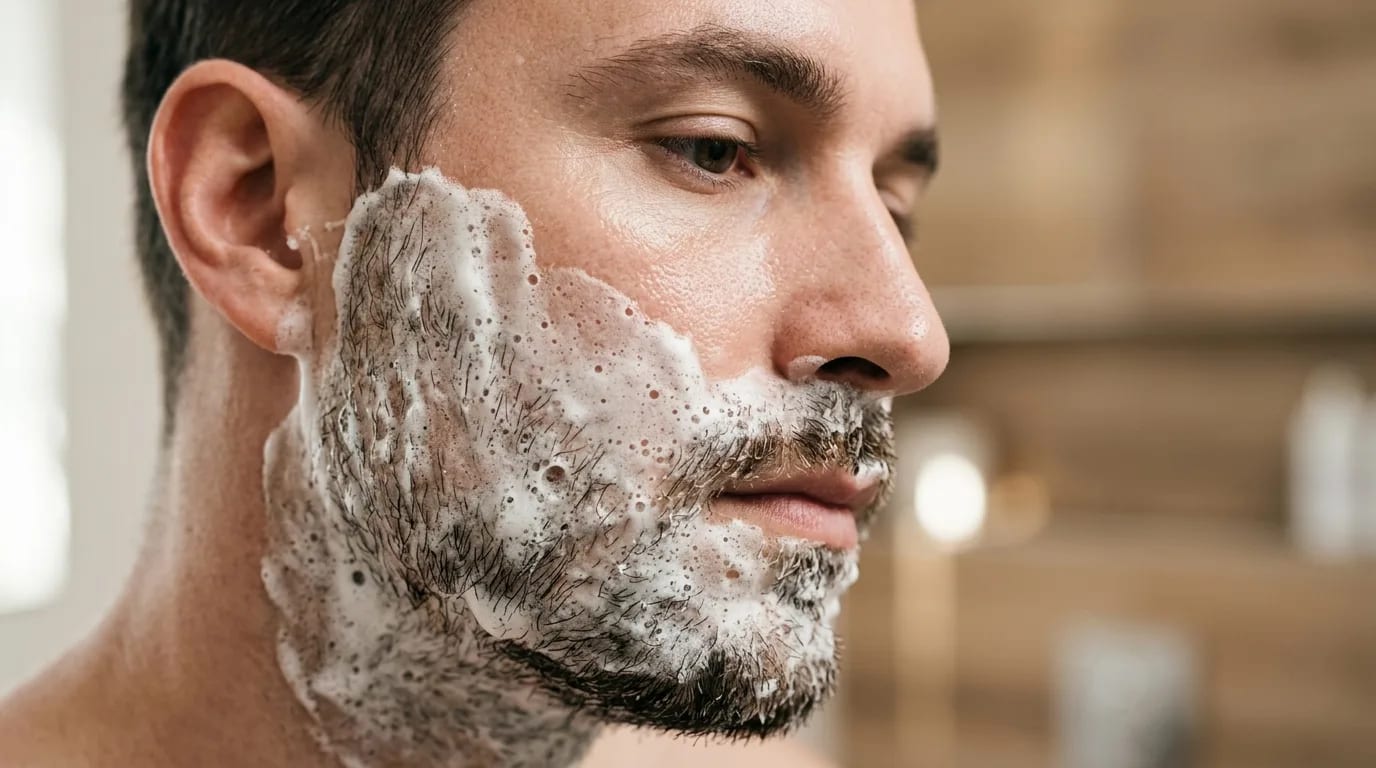
Every morning, millions of people apply a product to their face that has to do three incompatible things at once: soften the hair, lubricate the skin, and stay out of the blade's way as it cuts exactly what it's supposed to. It sounds simple — until you start breaking down the formula. Shaving cream
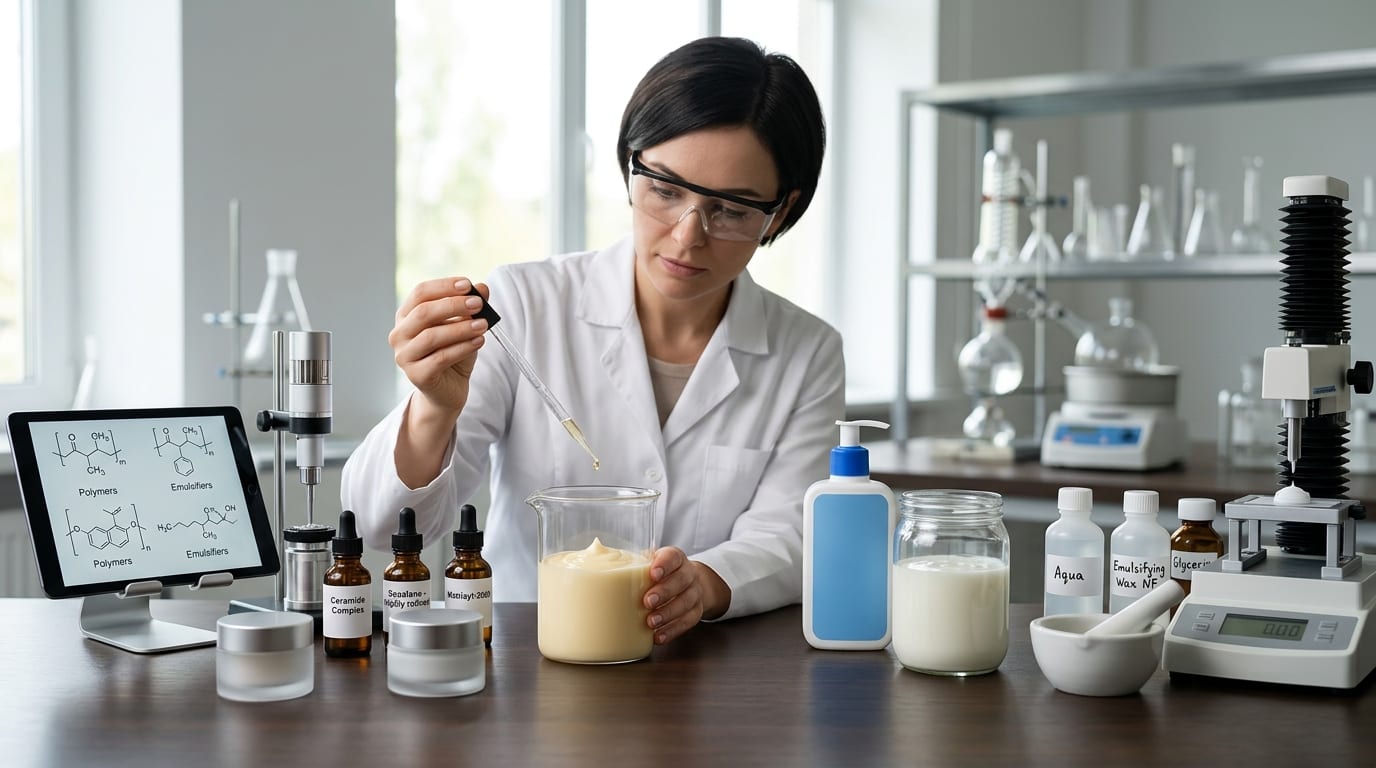
Have you ever noticed that a professional face cream costing 8,000 rubles and a pharmacy moisturizing lotion for 400 rubles can contain almost identical ingredients — yet feel completely different on the skin? This isn't a marketing trick or a placebo effect. It's formulation. And the deeper you und
There's one thing almost nobody warns beginners in home formulation about: finding a good formula is only half the job. The other half is finding what to actually make it from. And that's where the real quest begins. Because between "I want to make a cream with niacinamide and ceramides" and "I have
Some ingredients earn the cosmetic industry's love for their marketing potential. Others earn it because they actually work. Niacinamide is the rare case where both categories overlap. But behind that reputation lies an inconvenient truth: most homemade niacinamide formulas are either unstable, irri
Preservation of anhydrous products At Walker Formulation Academy, we regularly analyse topics where cosmetic chemists accumulate the most mistakes — and the preservation of anhydrous products is one of them. Is it necessary and how to do it correctly — a methodological analysis for the Formulation Club. Short
 Walker Formulation Academycosmetic chemistry