Useful material on cosmetic chemistry, ingredients and growing your business
Do you know what the Soviet “Krapiva” shampoo, the Japanese furo ritual, and a modern sulphate-free bottle costing around £30 have in common? They all solve one problem: removing sebum, dirt, and styling residue without turning hair into straw. The only difference is how exactly this happens at a molecular level.
There is one point that stumps almost everyone making a scrub at home for the first time: the product looks perfect in the jar, but in the shower, it turns into an oily puddle that is impossible to wash off. Your skin is greasy, your towel is stained, and it feels like you've rubbed yourself with margarine. Sound familiar? The problem isn't the sugar or the
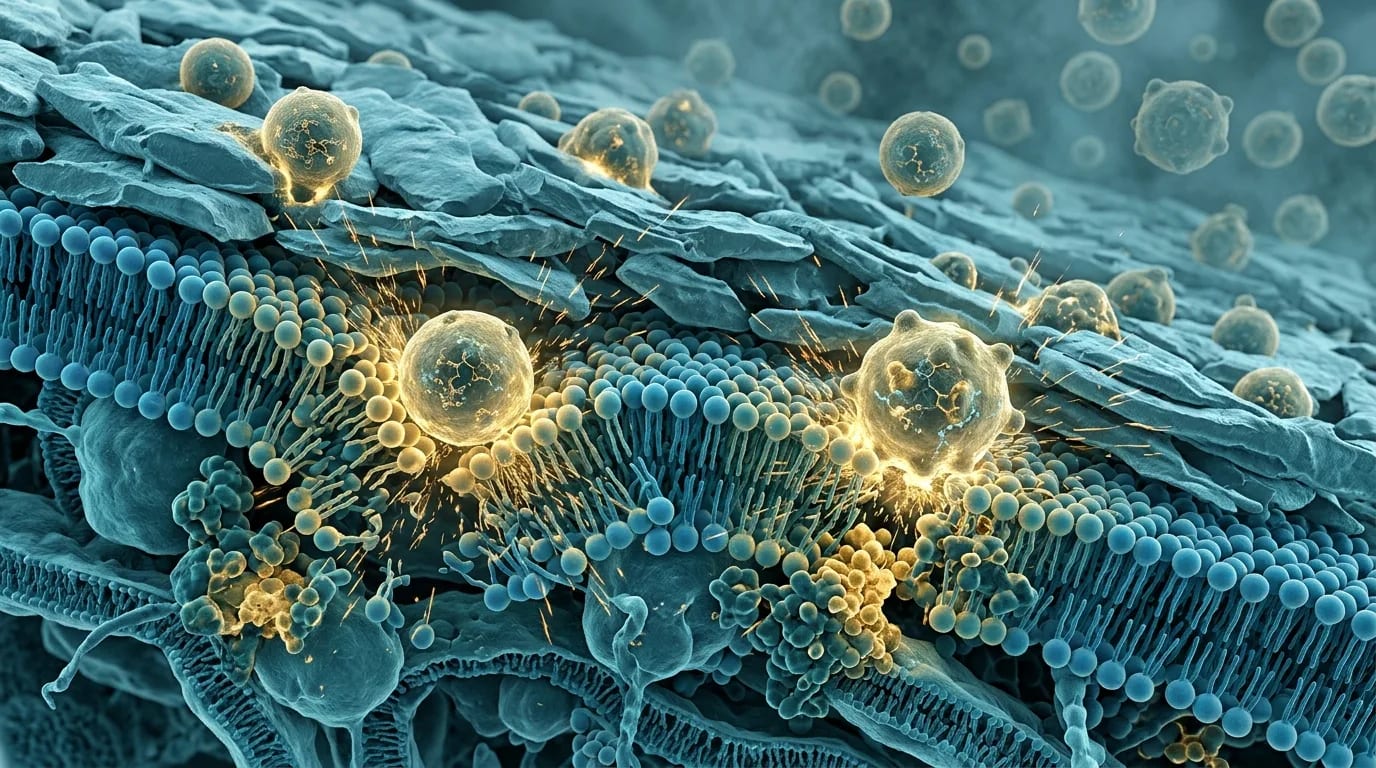
Every morning, when you leave the house, your skin starts a war. Not metaphorically — literally. PM2.5 particles, ozone, exhaust fumes, UV radiation, blue light from screens. By evening, the barrier function is weakened, the proteasome system is overloaded, and the level of carbonylated proteins in the epidermis is noticeably higher than in the morning.
Take any five bottles of conditioner from different shelves — from mass-market to luxury — and compare the ingredients. Most likely, you will find the same set: water, cetyl alcohol, behentrimonium chloride, silicone, fragrance. The price difference can be tenfold, the difference in chemistry — almost none. This is not
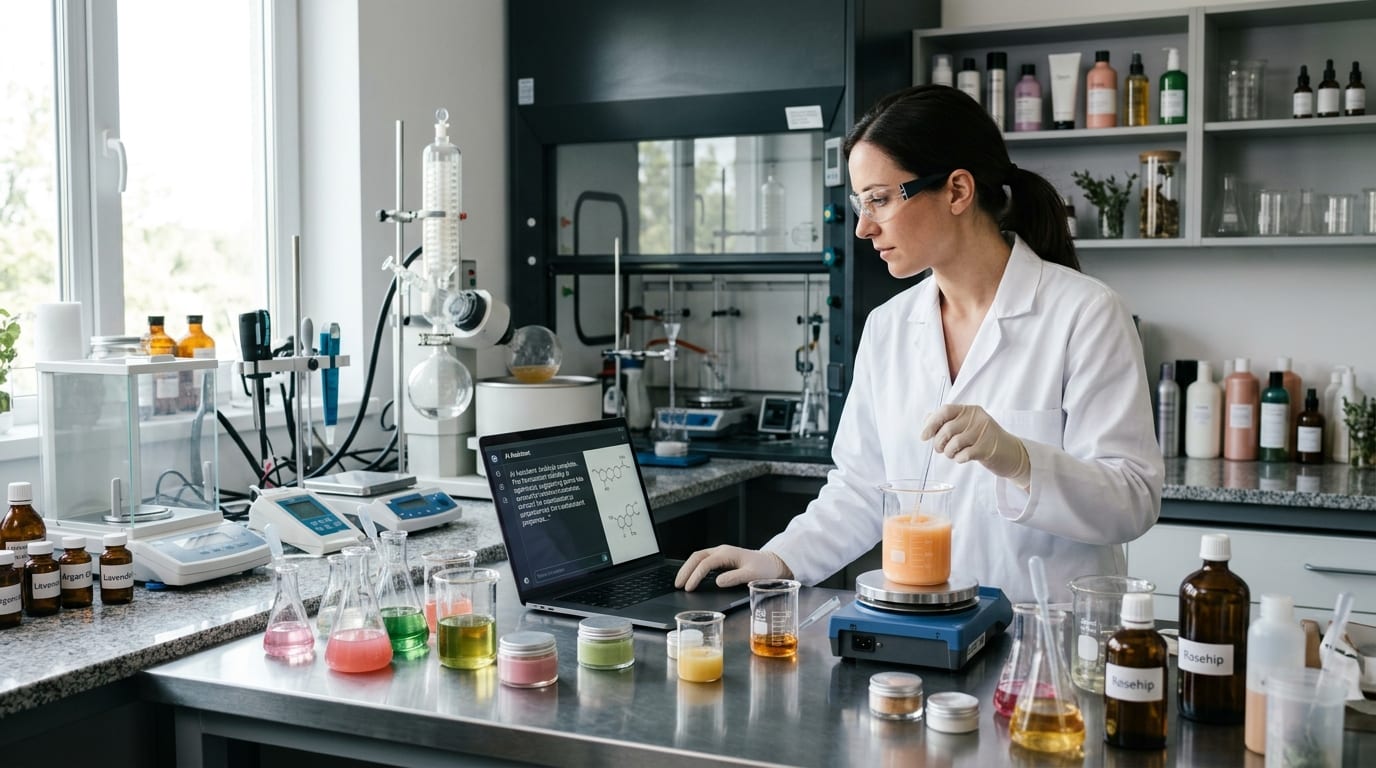
Imagine: it's 11 PM, you open your laptop, you don't have access to a supplier database, and the deadline for a new formula is tomorrow morning. In the past, this meant hours spent in stacks of textbooks or desperate searches through forums. Today, some cosmetic chemists simply open ChatGPT — and get a starting for
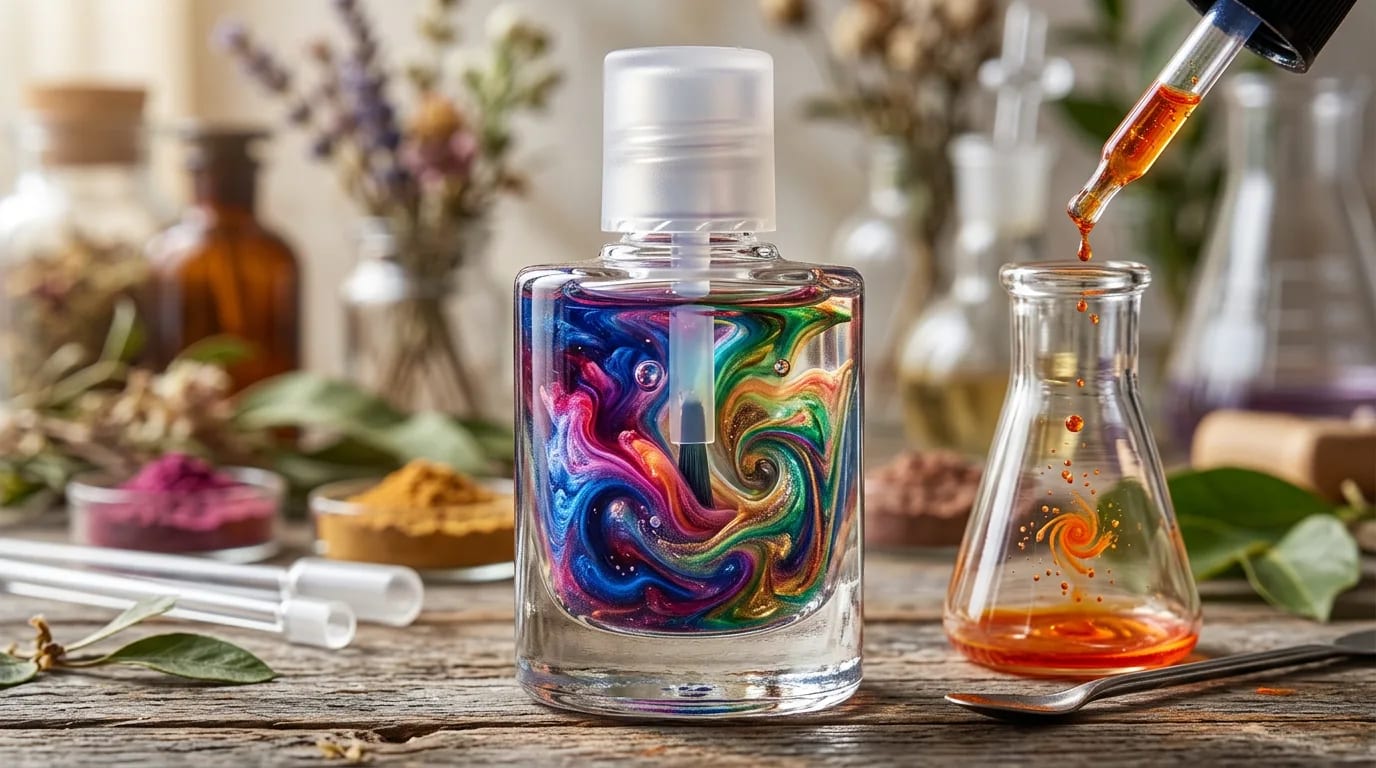
Every time you open a bottle of nail polish, you are holding one of the most chemically complex products in the beauty industry. Seriously — a nail polish formula is technically closer to automotive paint than to a face cream. There is no water, no emulsifiers, and none of the usual cosmetic logic. Instead, there is
There are probably between eight and fifteen products on your bathroom shelf right now. They all look different, feel different, and work differently — but few people stop to think that behind this variety lies a strict classification. Not a marketing one, but a chemical one. The form of the formula determines everything:
Have you ever applied a cream and wondered: why is it like this? Not 'good' or 'bad' — but specifically like this: slightly greasy, or almost weightless, or one that disappears in three seconds, leaving a silky feeling. Behind this is not marketing and not a 'unique formula'. Behind this is one class of ingredients that
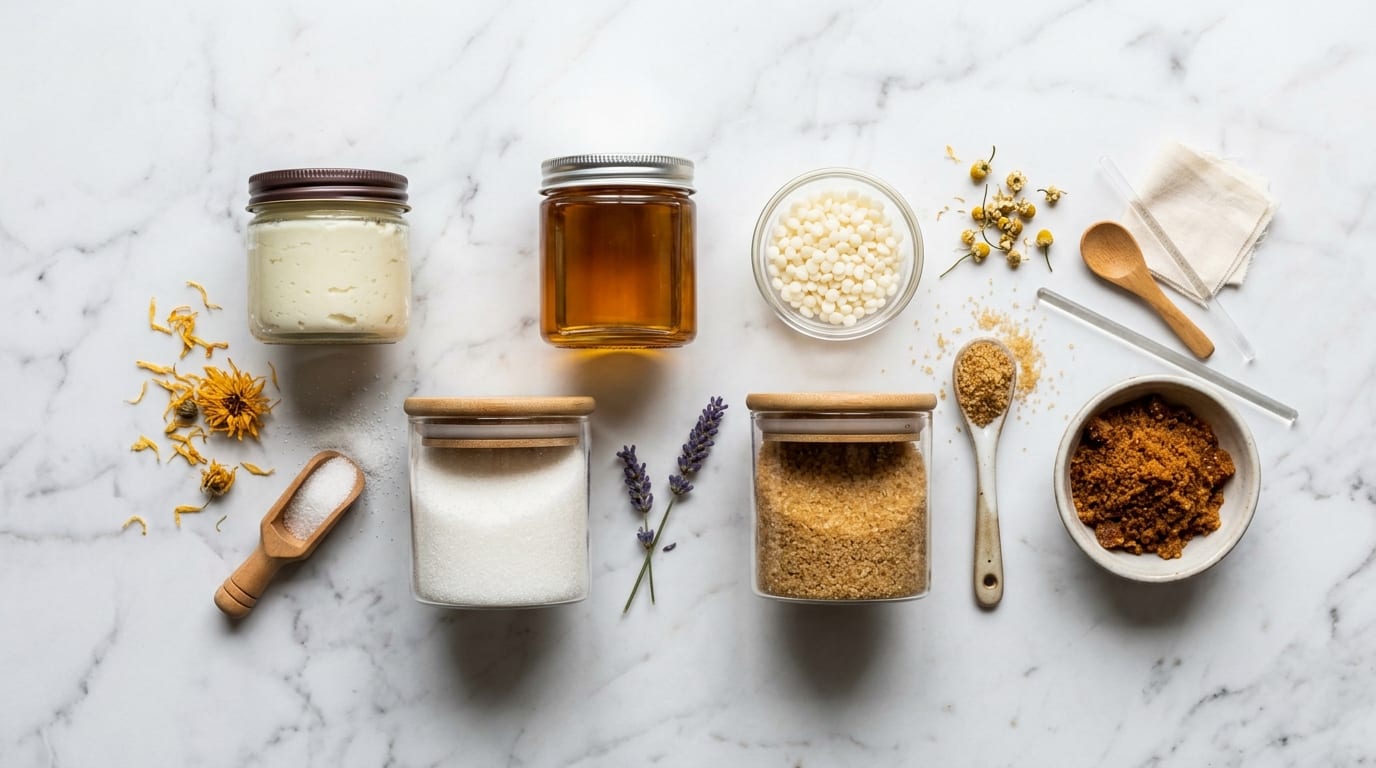
DIY body scrub: what cosmetic chemistry thinks of your kitchen recipes At the “Walker Formulation Academy” school, we are convinced that understanding the chemistry behind every ingredient is what distinguishes a conscious formulator from someone who simply follows other people's recipes. Every week, thousands of people google how to
A 70 kg human body contains about 15 grams of hyaluronic acid, and the majority of this supply is concentrated in the skin. Not in the joints, not in the eyes, but in the dermis, where it retains water, supports the matrix structure, and literally determines whether you look your age or not.
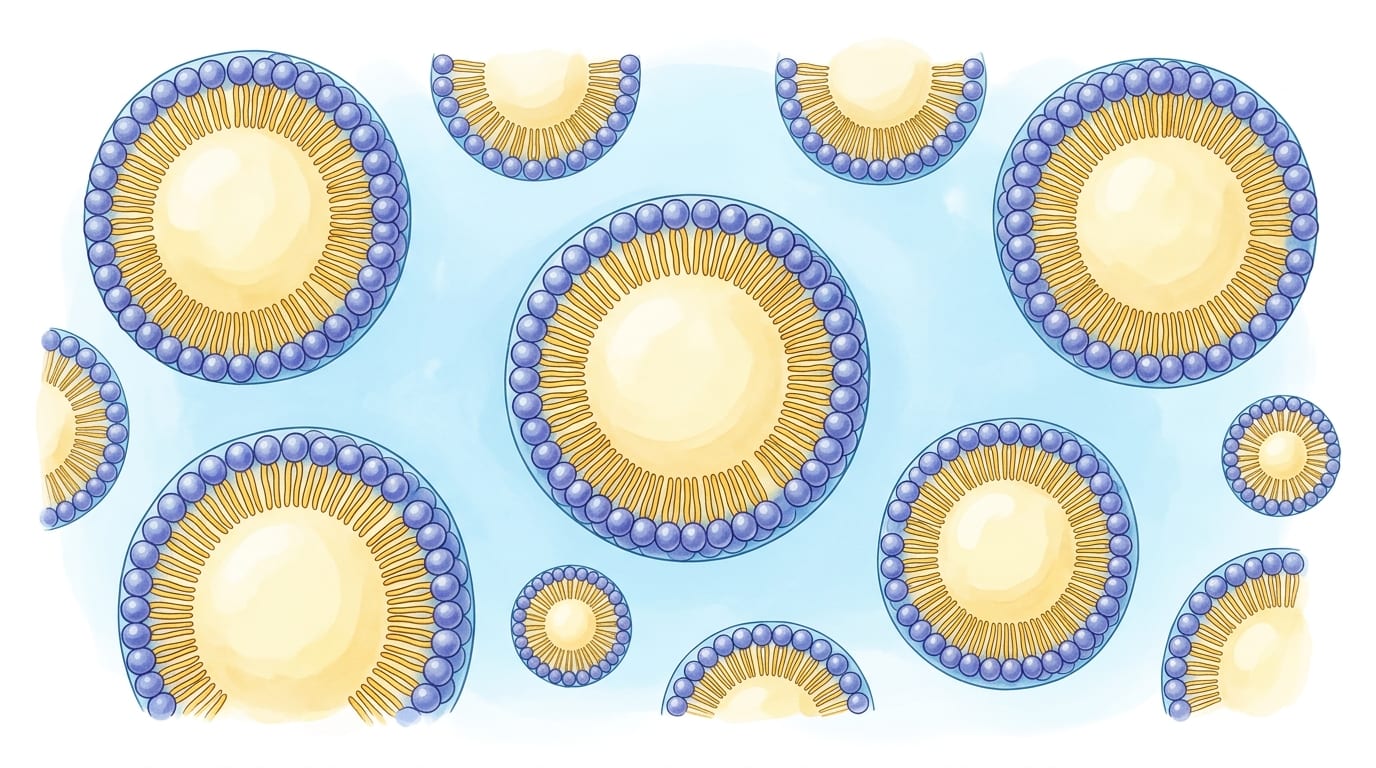
Have you ever wondered why a cream for £30 and a cream for £300 can contain almost identical active ingredients, yet feel completely different on the skin? It’s not brand magic. It’s about the molecules that stand between oil and water. Literally. Surfactants.
Oxidation of essential oils in a finished cosmetic product: the invisible enemy of a fresh scent. At the “Walker Formulation Academy” school, we are convinced that understanding chemistry is the foundation of responsible formulation, and the topic of essential oil oxidation in finished cosmetics deserves a separate and honest discussion. Most aromat
 Walker Formulation Academycosmetic chemistry