Articles in the "Ingredients" category
Why the name of an oil tells you less than you think Ask a formulator why a balm went grainy, why a facial oil turned rancid before its shelf life ran out, or why a cream that worked beautifully with sunflower oil fell apart when the supplier swapped in "high-oleic sunflower", and the answer is almo
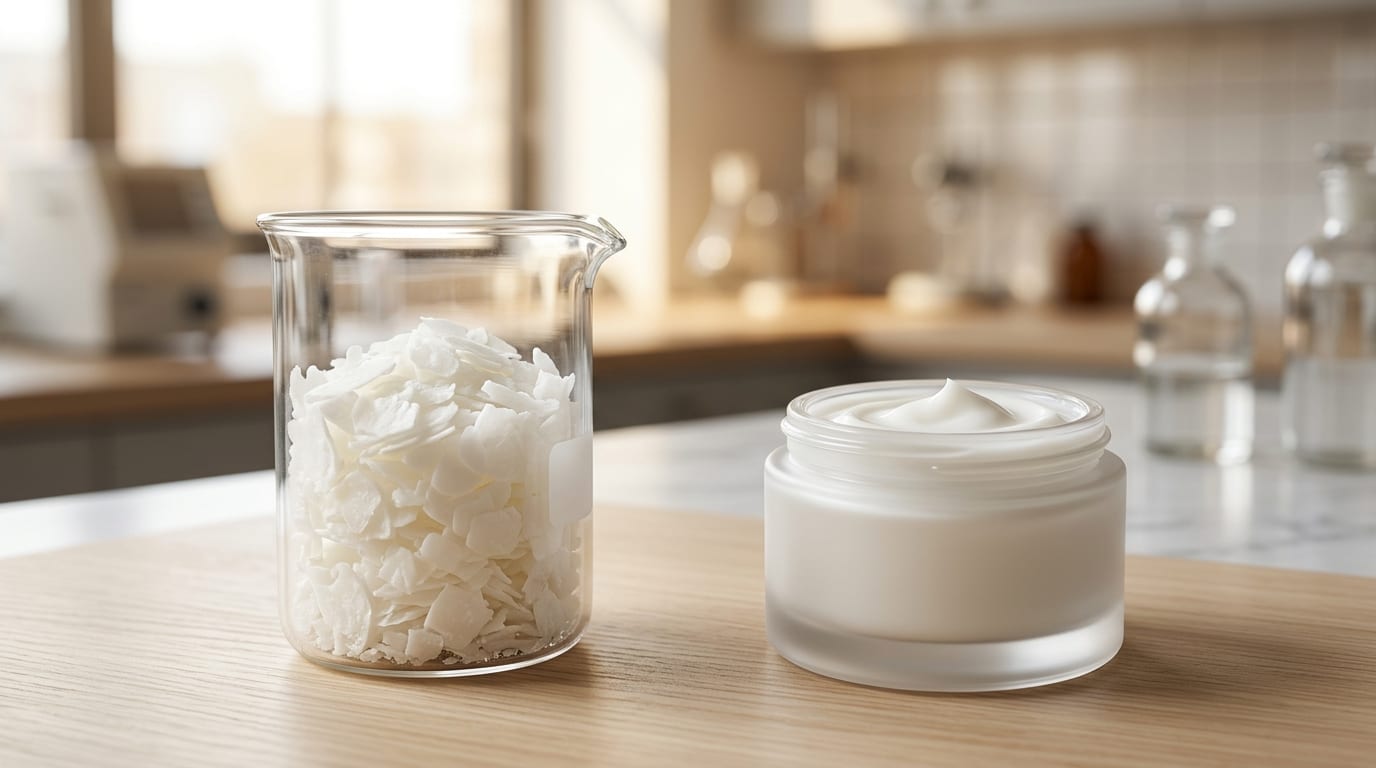
The alcohol in hand sanitiser is a tiny molecule that evaporates in seconds and takes your skin’s water with it. A fatty alcohol is enormous by comparison — and behaves completely differently depending on what else is in the pot.
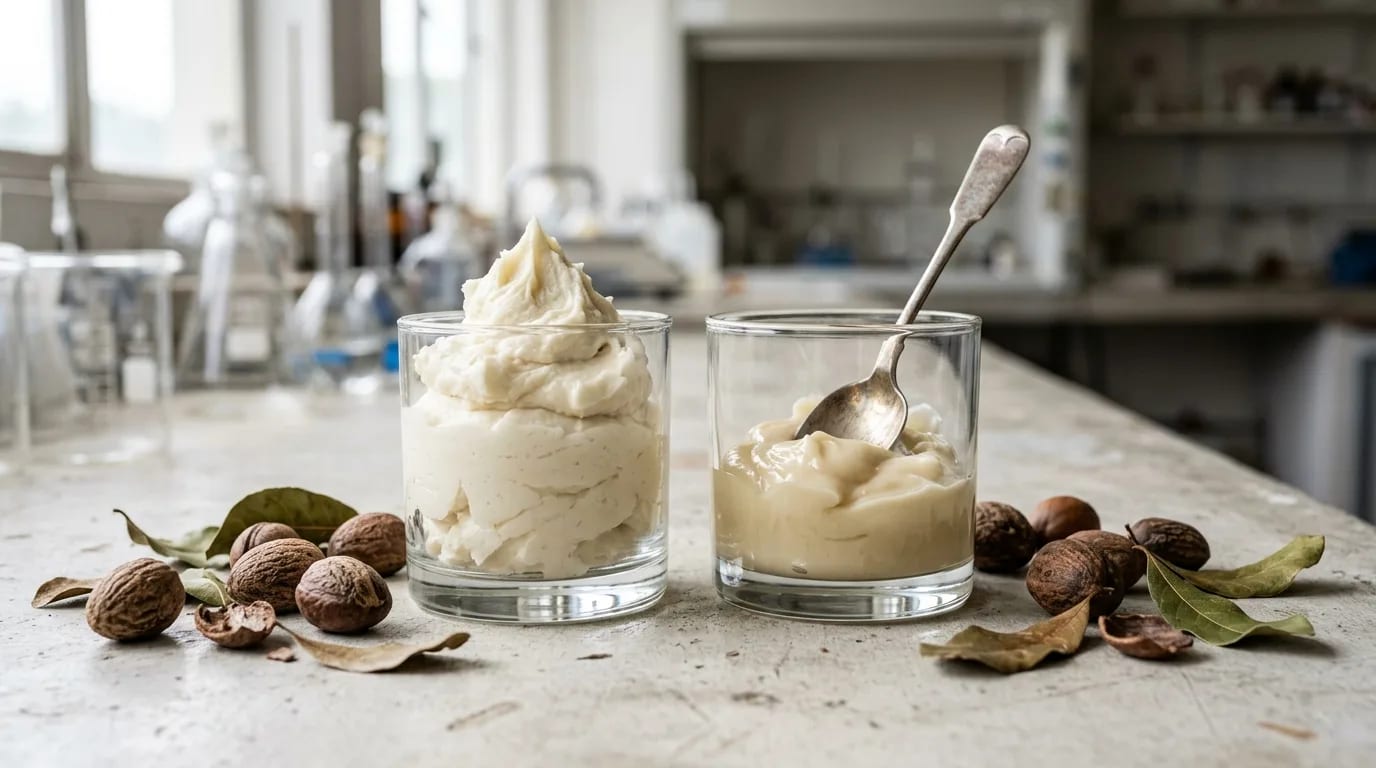
Same seed, same variety, different summer, different oil. Why shea butter from the same supplier whips into a fluffy mousse one month and collapses into a greasy paste the next — and what to do about grainy texture and shelf life.
Introduction: why peptides became a key trend in anti-aging cosmetology Over the past decade, peptides have moved from a niche ingredient in expensive anti-aging lines to one of the most frequently listed compon
Introduction: why peptides became anti-aging skincare's buzzword Anyone reading the ingredient list of virtually any anti-aging cream from the last five years is almost certain to spot the word "peptide" — Palmitoyl Pentapeptid
Some ingredients the cosmetics industry loves for their marketing potential. Others are loved by chemists — for their predictability, broad range of action, and clinical data you wouldn't be embarrassed to show a dermatologist. Niacinamide belongs to the second category. And that's exactly why it en
Look at any of the top-10 best-selling serums — there's an 80% chance it's in there. Niacinamide. Vitamin B3. Nicotinamide. Three names for one substance that has somehow become a favorite of dermatologists, Korean labs, and home formulators alike. But here's the paradox: the more popular an ingredi
Some ingredients earn the cosmetic industry's love for their marketing potential. Others earn it because they actually work. Niacinamide is the rare case where both categories overlap. But behind that reputation lies an inconvenient truth: most homemade niacinamide formulas are either unstable, irri
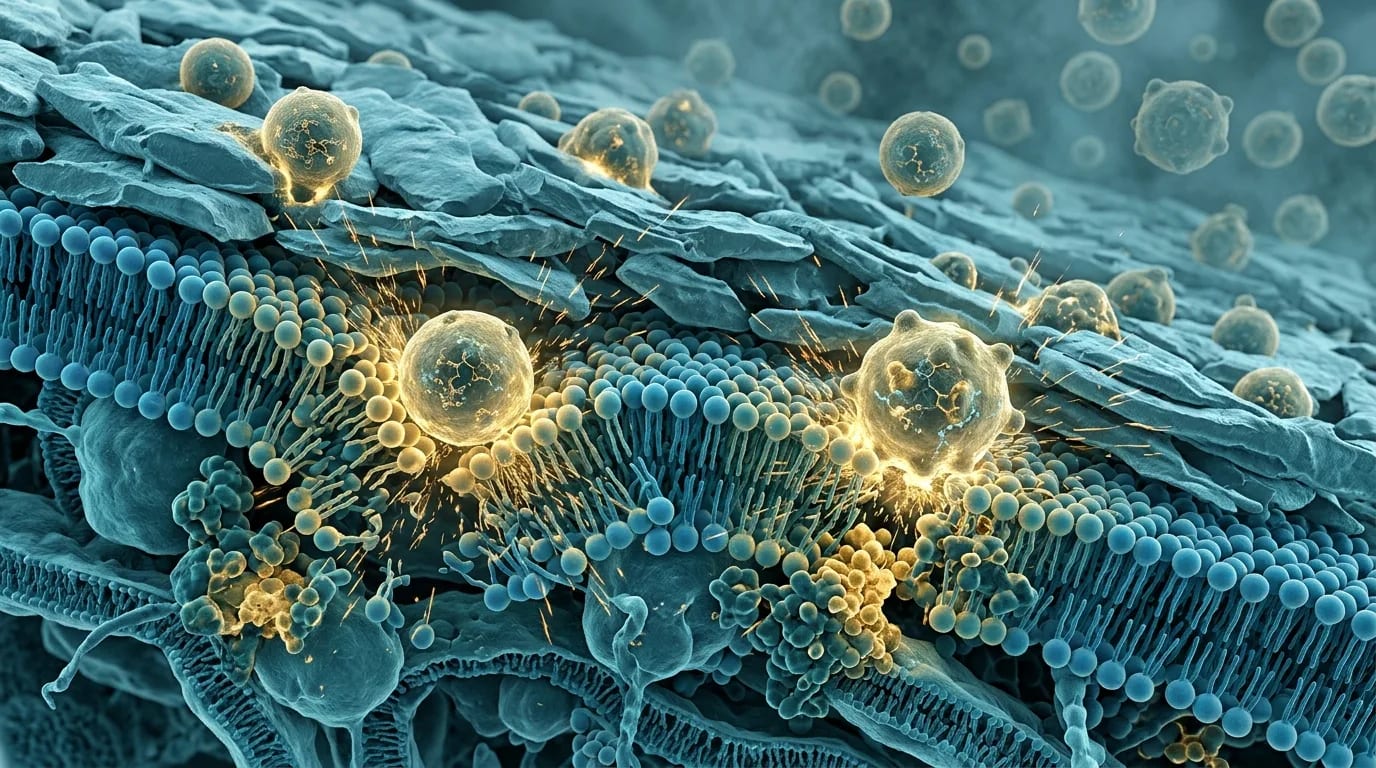
Every morning, when you leave the house, your skin starts a war. Not metaphorically — literally. PM2.5 particles, ozone, exhaust fumes, UV radiation, blue light from screens. By evening, the barrier function is weakened, the proteasome system is overloaded, and the level of carbonylated proteins in the epidermis is noticeably higher than in the morning.
Have you ever applied a cream and wondered: why is it like this? Not 'good' or 'bad' — but specifically like this: slightly greasy, or almost weightless, or one that disappears in three seconds, leaving a silky feeling. Behind this is not marketing and not a 'unique formula'. Behind this is one class of ingredients that
A 70 kg human body contains about 15 grams of hyaluronic acid, and the majority of this supply is concentrated in the skin. Not in the joints, not in the eyes, but in the dermis, where it retains water, supports the matrix structure, and literally determines whether you look your age or not.
Have you ever wondered why a cream for £30 and a cream for £300 can contain almost identical active ingredients, yet feel completely different on the skin? It’s not brand magic. It’s about the molecules that stand between oil and water. Literally. Surfactants.
 Walker Formulation Academycosmetic chemistry