Useful material on cosmetic chemistry, ingredients and growing your business
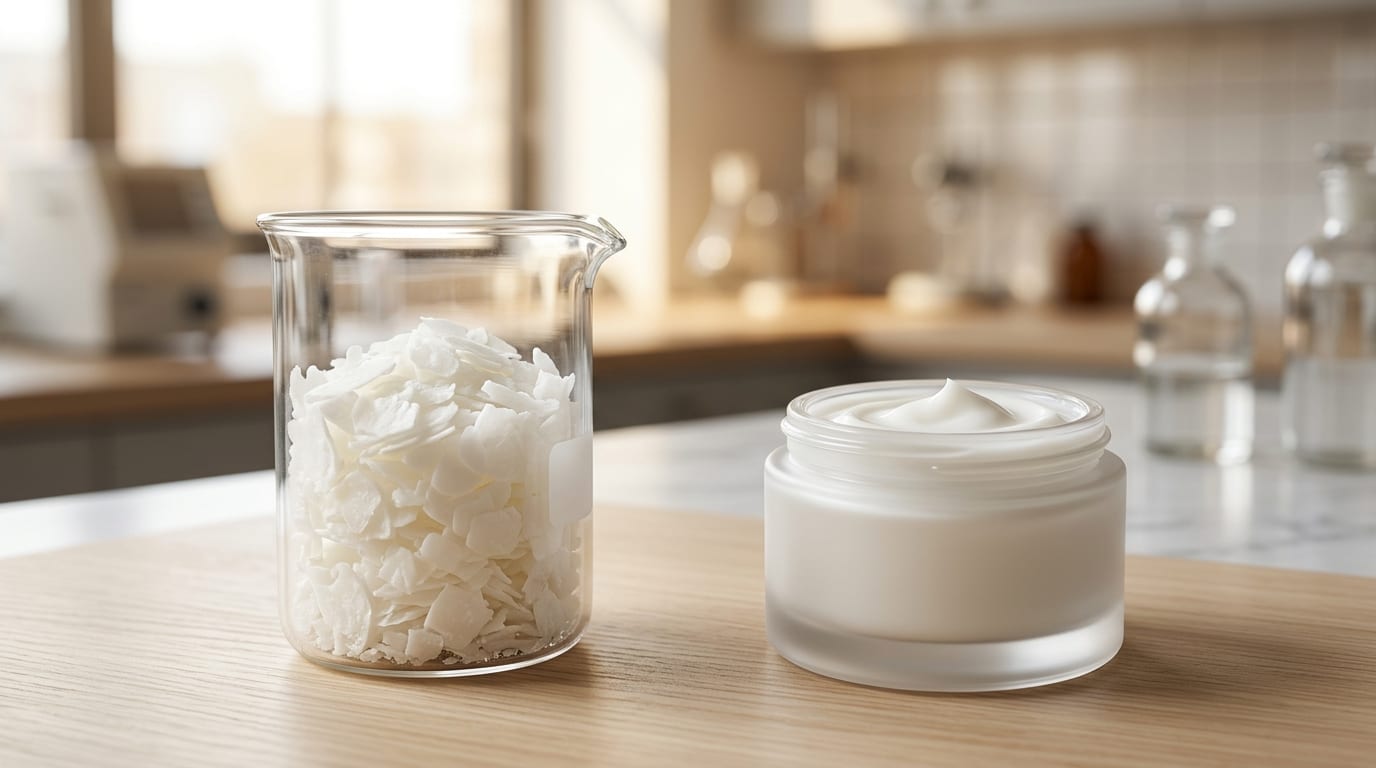
The alcohol in hand sanitiser is a tiny molecule that evaporates in seconds and takes your skin’s water with it. A fatty alcohol is enormous by comparison — and behaves completely differently depending on what else is in the pot.
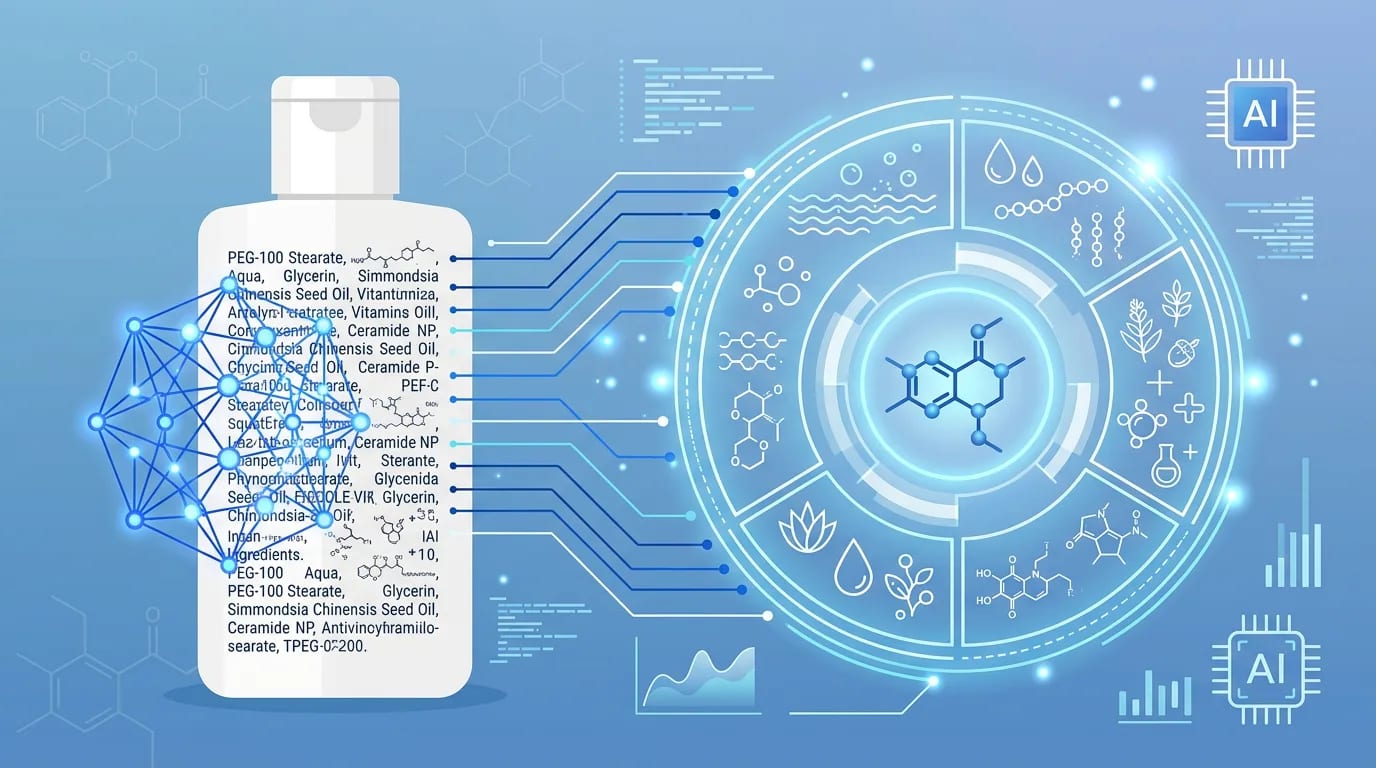
Why Analyze a Competitor's INCI List, and How AI Helps AI analyzes the INCI label and turns it into a structured formula Every bottle on a mass-market shelf or in a niche boutique is more than marketing and packaging — it's an encoded formula, openly available to anyone in the form of an INCI list (
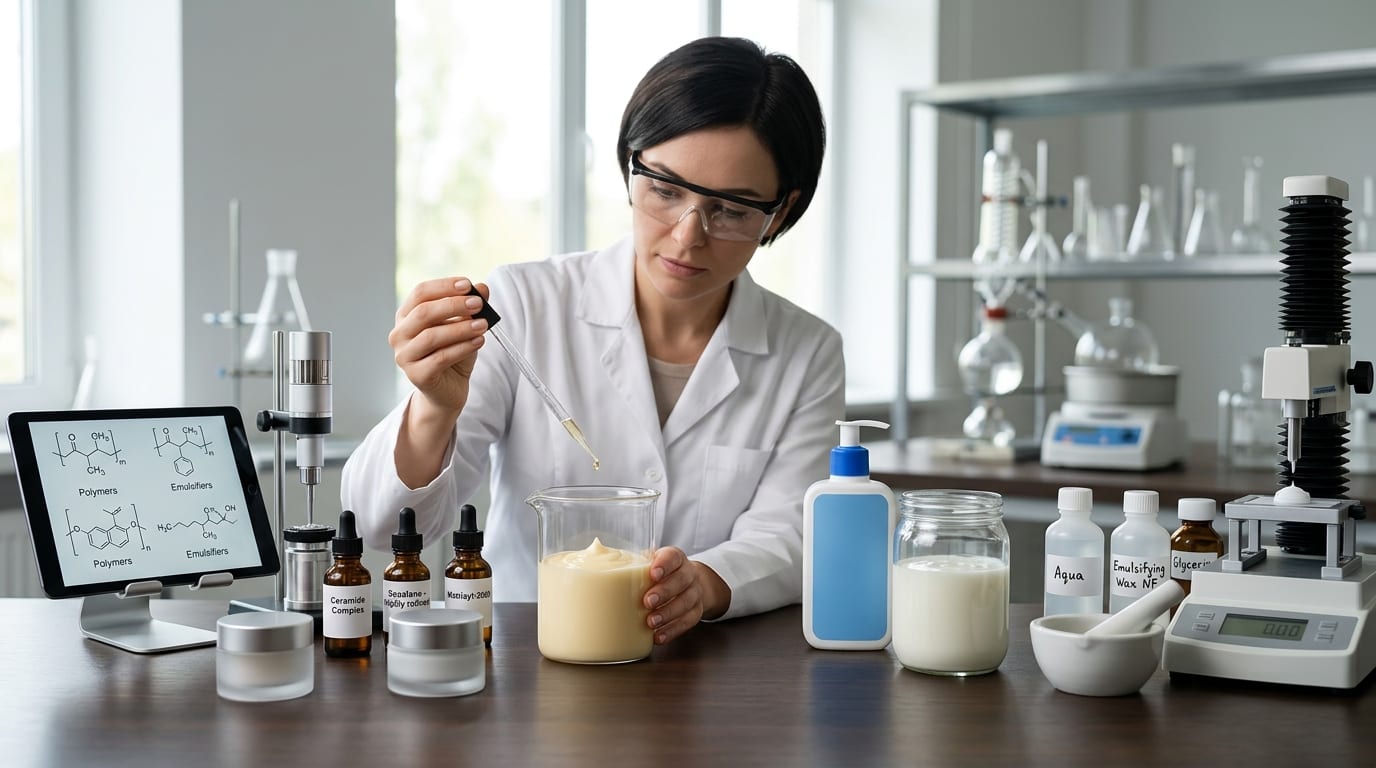
Introduction: why cosmetic developers need AI prompts The cosmetic development lab: from manual formula selection to an AI assistant Developing a cosmetic formulation is a process that traditionally takes weeks, sometimes months. A formulating chemist selects a base, tests the compatibility of activ
Have you ever noticed that a professional face cream costing 8,000 rubles and a pharmacy moisturizing lotion for 400 rubles can contain almost identical ingredients — yet feel completely different on the skin? This isn't a marketing trick or a placebo effect. It's formulation. And the deeper you und
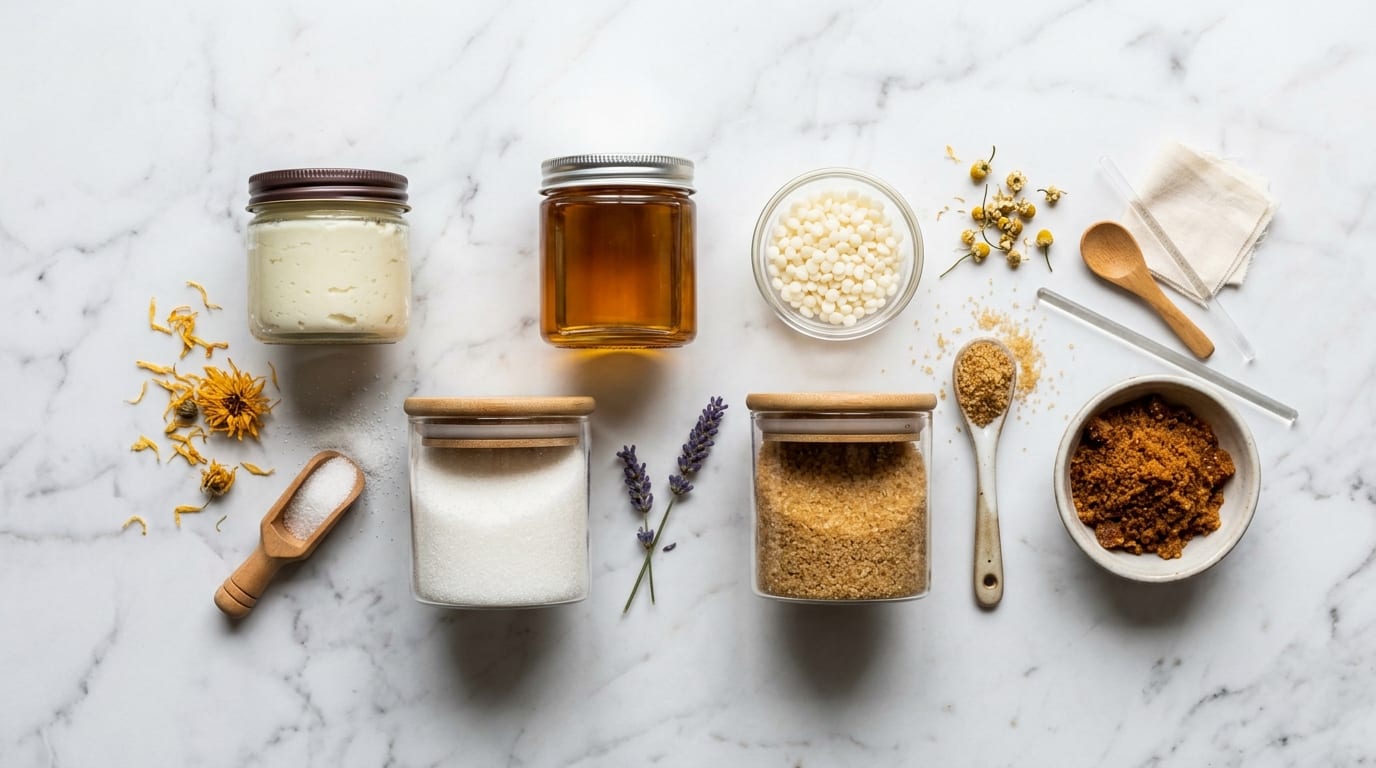
There is one point that stumps almost everyone making a scrub at home for the first time: the product looks perfect in the jar, but in the shower, it turns into an oily puddle that is impossible to wash off. Your skin is greasy, your towel is stained, and it feels like you've rubbed yourself with margarine. Sound familiar? The problem isn't the sugar or the
There are probably between eight and fifteen products on your bathroom shelf right now. They all look different, feel different, and work differently — but few people stop to think that behind this variety lies a strict classification. Not a marketing one, but a chemical one. The form of the formula determines everything:
Have you ever applied a cream and wondered: why is it like this? Not 'good' or 'bad' — but specifically like this: slightly greasy, or almost weightless, or one that disappears in three seconds, leaving a silky feeling. Behind this is not marketing and not a 'unique formula'. Behind this is one class of ingredients that
Have you ever wondered why a cream for £30 and a cream for £300 can contain almost identical active ingredients, yet feel completely different on the skin? It’s not brand magic. It’s about the molecules that stand between oil and water. Literally. Surfactants.
If you want to understand how to choose the best hydrophilic cleansing oil — whether for formulating at home or professional development — you should start not with marketing descriptions on labels, but with chemistry. A hydrophilic oil is not just an "oil that washes off with water." It is a carefully balanced
Anyone who has ever held a jar of expensive cream and thought, "What if I could make something better?" is already on the threshold of cosmetic chemistry. Creating a moisturizing cream yourself is not just about mixing oil and water. Achieving the right texture, a lasting feeling of comfort on the skin, and real hydration
An emulsifier is the ingredient without which a cream turns into a separated liquid within just 24 hours. It is what holds water and oil together, forms the texture, determines the skin feel, and, in many ways, the stability of the entire formula. Nevertheless, choosing an emulsifier remains one of the most common ch
White soaping effect in emulsions: why it occurs and how to prevent it. At Walker Formulation Academy, we are convinced that understanding the physicochemical nature of cosmetic phenomena is the foundation of competent formulation. Today, we are analysing one of the most persistent problems in creating emulsions — the white soaping effect during application. What is
 Walker Formulation Academycosmetic chemistry